Expert advice on using home remedies safely and effectively is essential for harnessing the benefits of natural treatments while minimizing potential risks. Home remedies have been cherished for generations as a convenient, affordable, and accessible way to address minor health issues. From using honey for cough relief to aloe vera for burns, these remedies are a valuable part of many households. However, while they seem straightforward, using them without proper knowledge can lead to ineffective results or even adverse effects. In this comprehensive guide, we’ll delve into expert advice on using home remedies safely and effectively, exploring their benefits, limitations, and the best practices for incorporating them into your health care routine.
Table of Contents
The Benefits of Home Remedies
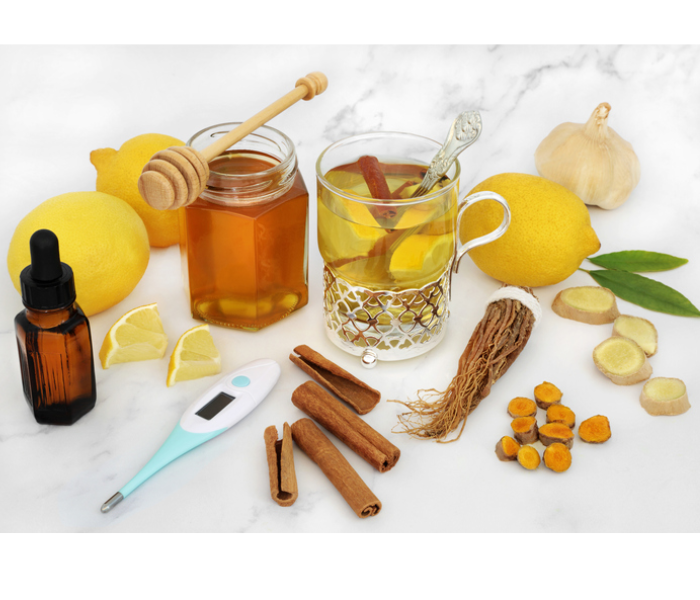
One of the key points in expert advice on using home remedies safely and effectively is understanding their advantages. Home remedies often use natural ingredients that are readily available and affordable, such as herbs, spices, fruits, and vegetables. For instance, ginger tea is widely recommended for easing nausea, while turmeric milk is praised for its anti-inflammatory properties. For skin-related remedies, check out our article on DIY skincare routines for healthy and glowing skin. These remedies can be a first line of defense for minor health problems, providing relief without the need for expensive over-the-counter medications.
Another benefit highlighted in expert advice on using home remedies safely and effectively is their alignment with sustainable and holistic health practices. Many remedies focus on treating the root cause of an issue rather than merely alleviating symptoms. For example, drinking warm water with honey and lemon supports the immune system while soothing a sore throat. Additionally, these remedies often have fewer side effects than synthetic treatments, making them an attractive option for individuals seeking natural alternatives.
The Limitations of Home Remedies
Despite their benefits, expert advice on using home remedies safely and effectively emphasizes recognizing their limitations. Home remedies are best suited for mild or temporary conditions, such as headaches, minor skin irritations, or digestive discomfort. They are not a substitute for professional medical care in serious or chronic health issues. For instance, while garlic may help lower blood pressure, individuals with severe hypertension should not rely solely on this remedy and should consult a healthcare provider.
Experts also warn about the potential for misuse. Overusing or improperly preparing remedies can reduce their effectiveness or even cause harm. For example, excessive consumption of herbal teas, like green tea, may interfere with medications or cause unwanted side effects such as jitteriness or digestive issues. Expert advice on using home remedies safely and effectively includes a reminder to use these treatments in moderation and seek professional guidance when needed. According to the National Center for Complementary and Integrative Health (NCCIH), natural remedies should be used carefully as they can interact with medications and may not always be safe for everyone.
Best Practices for Safe and Effective Use
Following best practices is a central theme in expert advice on using home remedies safely and effectively. First and foremost, thorough research is essential before trying any remedy. You can also explore our guide on natural hair care remedies for safe and effective home treatments. Trusted sources, such as health books or guidance from certified herbalists, can provide reliable information about the proper use of ingredients, dosages, and potential interactions.
Personalization is another important factor. Expert advice on using home remedies safely and effectively suggests tailoring remedies to individual needs and health conditions. For example, someone with allergies should avoid using honey if they are sensitive to pollen. Similarly, individuals taking blood-thinning medications should limit their use of turmeric due to its natural anticoagulant properties.
Proper preparation and storage of remedies also play a significant role. Fresh ingredients are often more effective than processed ones, and storing homemade solutions, like aloe vera gel or herbal tinctures, in a clean, cool environment preserves their potency. Adhering to these guidelines ensures that remedies are both safe and effective.
Safety of Home Remedies
Not all natural remedies are completely risk-free. The effectiveness and safety of a remedy depend on factors like dosage, preparation method, individual health conditions, and possible allergies. Always perform a patch test before applying any remedy to your skin and consult a healthcare professional if you have existing medical conditions.
The Role of Experts in Home Remedy Use
When in doubt, seeking professional guidance is a cornerstone of expert advice on using home remedies safely and effectively. Consulting herbalists, naturopaths, or integrative medicine practitioners can provide valuable insights into using remedies correctly. These experts can recommend specific treatments tailored to individual needs and ensure they align with existing health conditions or medications.
Experts also stress the importance of knowing when to rely on home remedies and when to seek medical attention. For example, while a cold can often be managed with herbal teas and rest, persistent or worsening symptoms may require a doctor’s intervention. Combining professional care with home remedies can create a balanced approach to health care.
Avoiding Common Mistakes
Expert advice on using home remedies safely and effectively highlights several mistakes to avoid. One common error is assuming that natural remedies are entirely risk-free. For instance, applying raw garlic directly to the skin for a fungal infection can cause burns or irritation. Similarly, drinking excessive amounts of apple cider vinegar may lead to enamel erosion and digestive discomfort.
Another mistake is using outdated or low-quality ingredients. Herbs and spices lose their potency over time, reducing the effectiveness of remedies. Always use fresh, high-quality ingredients to achieve the best results. Additionally, some individuals fail to consider possible interactions between remedies and medications, which can lead to unintended consequences.
Moderation is Key
A recurring theme in expert advice on using home remedies safely and effectively is the importance of moderation. Even the most beneficial remedies can cause harm if overused. For example, consuming large quantities of ginger tea may result in stomach upset, while overapplying essential oils can irritate the skin. By using remedies in recommended amounts and for appropriate durations, individuals can enjoy their benefits without adverse effects.
The Growing Popularity of Home Remedies

The increased interest in natural and holistic health practices has brought home remedies into the spotlight. Many people appreciate their accessibility and the sense of control they offer over personal health care. Social media and online platforms have also contributed to the spread of home remedy ideas, though it’s important to verify the accuracy of such information. Following expert advice on using home remedies safely and effectively ensures that individuals can differentiate between reliable remedies and unfounded claims.
Expert advice on using home remedies safely and effectively starts with understanding the basics of natural treatments. Home remedies, crafted from common ingredients like herbs, spices, and fruits, are popular for their accessibility and cost-effectiveness. However, experts emphasize the importance of validating the safety of any remedy before trying it. Not every remedy found online or passed down through generations is suitable for everyone. For instance, while honey is effective for soothing sore throats, it poses a risk of botulism for children under one year old. Researching ingredients thoroughly is a critical step in following expert advice on using home remedies safely and effectively.
An essential component of expert advice on using home remedies safely and effectively is to consider personal health conditions and potential drug interactions. Many natural ingredients, such as garlic or turmeric, can interfere with medications or exacerbate certain conditions. For instance, turmeric’s blood-thinning properties might not be safe for those taking anticoagulants. Consulting with healthcare providers or herbalists is a key recommendation from experts to ensure remedies are safe and align with individual health needs. Following expert advice on using home remedies safely and effectively minimizes risks and enhances the effectiveness of these treatments.
Finally, expert advice on using home remedies safely and effectively highlights the importance of accurate preparation and proper dosage. The success of a remedy often hinges on how it is made and used. For example, steeping herbal teas like chamomile for the recommended duration ensures optimal benefits without over-extraction of compounds that might cause irritation. Overusing remedies, even natural ones, can lead to side effects such as skin reactions or digestive discomfort. By adhering to expert guidance, using remedies moderately, and seeking professional advice when necessary, individuals can safely and effectively incorporate home remedies into their daily routines.
❓ Frequently Asked Questions
1. Are home remedies completely safe?
No, while they are natural, improper use or overuse can cause side effects or allergic reactions.
2. Can home remedies replace medical treatment?
Home remedies are best for minor issues. Serious conditions require professional medical advice.
3. How do I know if a remedy is suitable for me?
Consider your skin type, health condition, and possible allergies. Always do a patch test.
4. How often should I use home remedies?
Moderation is key. Overuse can reduce effectiveness or cause harm.
Conclusion
Home remedies can be a powerful and natural way to support your health when used correctly. By understanding their benefits, limitations, and proper usage, you can safely incorporate them into your daily routine. Always prioritize safety, use remedies in moderation, and seek professional guidance when needed. With the right approach, home remedies can offer simple, effective, and affordable solutions for everyday wellness.
About the Author
I’m Richeya, and I write about natural hair care and simple home remedies inspired by traditional practices and reliable health sources. I enjoy learning practical self-care methods and sharing them in an easy way so anyone can follow them in daily life. My aim is to provide safe, realistic guidance that feels simple and comfortable to use at home.