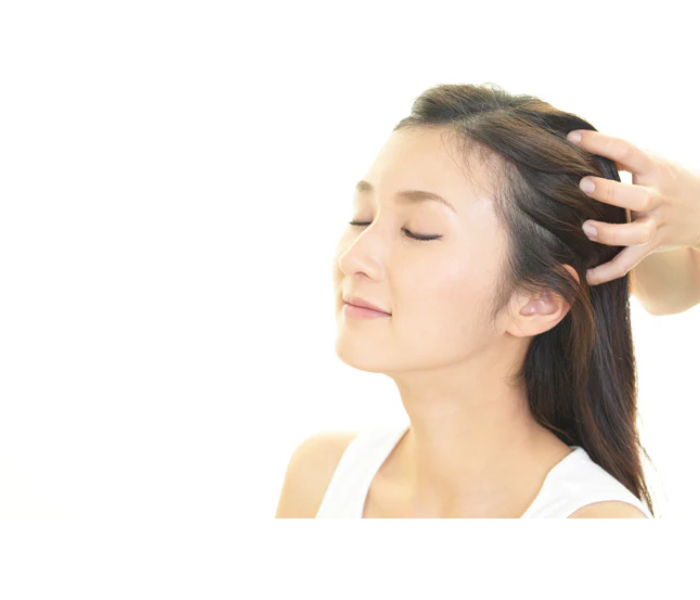
The journey to long, luscious hair starts with understanding the best hair massage techniques for hair growth. Massaging your scalp not only relaxes your mind but also stimulates blood circulation, helping nourish hair follicles and promoting healthy, strong strands. Scalp massages have been a time-tested remedy for improving hair texture, reducing hair fall, and encouraging growth. In this article, we’ll explore the best hair massage techniques for hair growth, their benefits, and tips to maximize their effectiveness.
Table of Contents
Why Scalp Massage Matters
Using the best hair massage techniques for hair growth improves blood flow to the scalp, which is essential for delivering nutrients and oxygen to hair follicles. This process strengthens the roots, enhances hair growth, and revitalizes dormant follicles. You can enhance results further by using Bhringraj hair oil for hair growth during scalp massages. Hair massages also aid in reducing stress—a significant cause of hair loss—and help maintain a balanced scalp environment by stimulating natural oil production and removing buildup.
Regular massages can also improve scalp flexibility, reduce dryness, and prevent conditions like dandruff, which can hinder healthy hair growth. According to research, scalp massage can improve blood circulation and promote hair growth over time. When done consistently and correctly, hair massages work wonders for achieving your hair care goals.
Best Hair Massage Techniques for Hair Growth
1. Circular Motion Massage
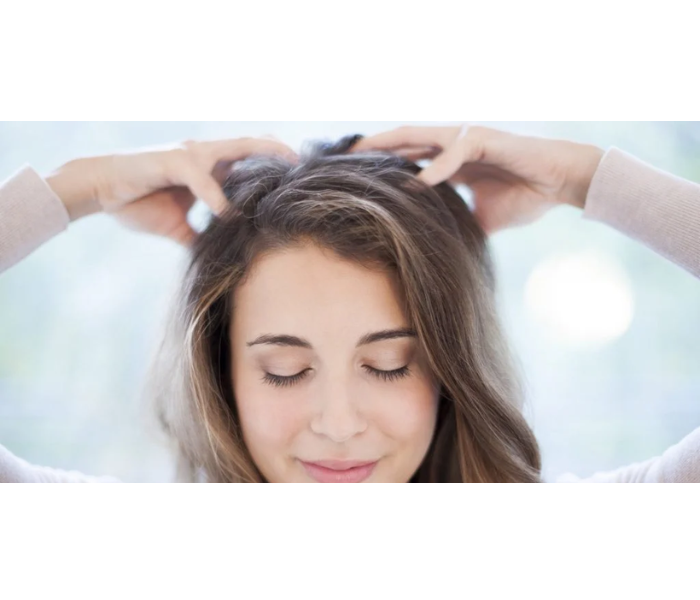
Among the best hair massage techniques for hair growth, circular motion massage is both simple and highly effective. Using your fingertips, gently rub the scalp in small circular movements. Begin at the crown of your head and work outward, ensuring you cover all areas, including the temples and nape. This technique stimulates blood circulation and relaxes the scalp muscles, paving the way for healthier hair growth. You can use natural oils for an enhanced experience.
2. Tapping Technique
The tapping technique involves softly patting the scalp with your fingertips, moving across the entire head. This method helps awaken hair follicles and improve nutrient delivery to the scalp. Pairing this with essential oils like rosemary or peppermint can amplify its benefits, making it one of the best hair massage techniques for hair growth.
3. Knuckling Technique
Using your knuckles to massage the scalp provides a deeper level of stimulation. Place your knuckles on your scalp and rotate them in a gentle yet firm motion. This technique improves blood flow and helps alleviate tension, making it especially useful for people with thicker or coarser hair types.
4. Inversion Method
One of the most popular and effective methods is the inversion technique, where you flip your head upside down and massage your scalp. This position increases blood flow to the scalp, ensuring maximum nourishment to hair follicles. Massage for 3-5 minutes daily for optimal results, but consult a doctor before trying this if you have any medical conditions such as vertigo or hypertension.
5. Hot Oil Massage
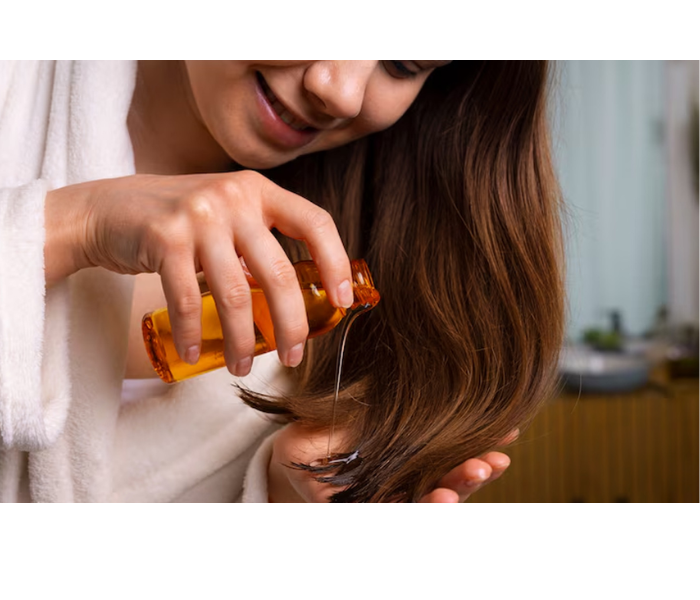
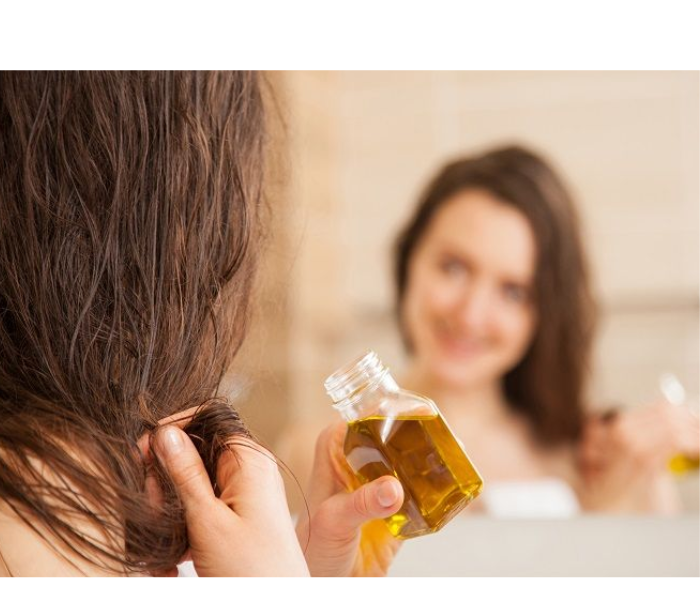
Hot oil massages combine the therapeutic benefits of warmth with scalp stimulation. Warm a natural oil like coconut, almond, or bhringraj oil, and apply it generously to your scalp. Use circular and kneading motions to massage the oil into your roots. The warmth helps open up the pores, enhancing absorption of the oil’s nutrients, making it a staple among the best hair massage techniques for hair growth.
6. Pinching and Kneading
This technique involves gently pinching sections of the scalp with your thumb and fingers, followed by light kneading motions. It’s great for relieving scalp tension and improving flexibility. This method also helps to distribute natural oils evenly, keeping the scalp moisturized and nourished.
Best Way of Prevent Hair Fall
To prevent hair fall effectively, incorporating the best hair massage techniques for hair growth into your routine is essential. Regular scalp massages using oils like bhringraj, coconut, or castor oil not only nourish the hair roots but also improve blood circulation, promoting stronger and healthier hair. These techniques help reduce stress, which is a common factor contributing to hair fall, while also stimulating dormant hair follicles for growth. Pairing the best hair massage techniques for hair growth with a nutrient-rich diet ensures that your hair gets the nourishment it needs from both external and internal sources. Avoid excessive heat styling and harsh chemicals to maintain your hair’s natural strength and resilience. You can also follow methods on how to stop hair fall naturally at home for long-term hair strength.
Tips to Boost Hair Massage Benefits
- Choose the Right Oil: Incorporating nutrient-rich oils like coconut, castor, argan, or bhringraj oil can enhance your massage results. Look for oils with added herbs or essential oils to stimulate hair growth.
- Consistency is Key: To achieve noticeable results, perform massages 3-4 times a week for at least 5-10 minutes.
- Add Essential Oils: Use essential oils like lavender, rosemary, or peppermint, known for their hair growth properties. Add a few drops to your carrier oil for added benefits.
- Correct Pressure: Avoid using excessive force. Gentle, rhythmic movements are far more effective and soothing.
- Focus on Scalp, Not Hair: Massages should focus on stimulating the scalp and roots rather than the hair strands.
Benefits of Using the Best Hair Massage Techniques for Hair Growth
- Stimulates Hair Growth: Enhanced blood flow ensures that hair follicles receive the nutrients and oxygen they need to grow.
- Strengthens Roots: Regular massages nourish the scalp, strengthening roots and reducing hair fall.
- Improves Scalp Health: Massages clear away buildup, reduce dryness, and distribute natural oils.
- Relieves Stress: Scalp massages promote relaxation, reducing stress—a major contributor to hair loss.
- Boosts Natural Shine: Improved circulation and oil distribution leave your hair looking naturally shiny and healthy.
Incorporating Hair Massage into Your Routine
When introducing the best hair massage techniques for hair growth into your routine, consistency and patience are key. Combine massages with a healthy diet and quality hair products for the best results. Additionally, make time for relaxation, as reducing stress can further enhance the benefits of your hair care regimen.
The best hair massage techniques for hair growth are not just about improving your hair’s physical appearance but also about creating a healthier scalp environment for sustained growth. From circular motion massages to hot oil treatments, each technique offers unique benefits that cater to various hair and scalp needs. With regular practice, proper tools, and patience, these techniques can transform your hair care routine, helping you achieve stronger, thicker, and healthier hair naturally.
The best hair massage techniques for hair growth have been trusted for ages as effective ways to promote healthy hair and improve scalp health. One highly recommended method is the circular motion massage, where gentle movements with the fingertips stimulate the scalp. This technique boosts blood circulation, ensuring that hair follicles receive essential nutrients and oxygen to promote hair growth. Pairing this massage with oils like coconut, bhringraj, or argan oil enhances its effectiveness, as these oils provide deep nourishment and hydration directly to the scalp.
Another popular method among the best hair massage techniques for hair growth is the inversion method, which involves tilting the head upside down during the massage. This position maximizes blood flow to the scalp, aiding in follicle stimulation. Additionally, warm oil massages are highly effective, as the heat allows the oils to penetrate deeply, rejuvenating and nourishing the hair roots. Adding essential oils like rosemary or peppermint to the carrier oils further amplifies the benefits, as these essential oils are known for their stimulating properties and ability to improve scalp health.
Incorporating the best hair massage techniques for hair growth into your routine requires consistency and care. Applying gentle pressure prevents scalp irritation while delivering a relaxing experience. Regular massages, performed three to four times a week, not only promote hair growth but also help reduce stress and improve the overall health of your scalp. By adopting these techniques, you can create a healthier scalp environment, paving the way for stronger, thicker, and more vibrant hair.
How Often Should You Do Hair Massage?
For best results, hair massage should be done 2–4 times a week depending on your hair type and needs. Using natural oils like coconut oil, almond oil, or Bhringraj oil can improve effectiveness. Gentle circular motions for 5–10 minutes help stimulate blood flow without causing damage. Consistency is more important than intensity when it comes to achieving long-term hair growth benefits.
H2: Frequently Asked Questions
1. How long should I massage my scalp for hair growth?
Massaging your scalp for 5–10 minutes per session is enough to stimulate blood circulation and promote hair growth.
2. Can daily scalp massage cause hair fall?
No, gentle massage is safe, but excessive force or rough handling may lead to hair breakage.
3. Which oil is best for hair massage?
Oils like coconut oil, Bhringraj oil, and almond oil are highly beneficial for nourishing the scalp.
4. When is the best time for hair massage?
Before bedtime or before washing your hair is the best time to massage your scalp.
Conclusion
The best hair massage techniques for hair growth are a simple yet powerful way to improve scalp health and promote stronger, healthier hair. With regular practice, proper techniques, and the right natural oils, you can significantly reduce hair fall and enhance hair thickness. Consistency and gentle care are the keys to achieving visible and long-lasting results.
About the Author
I’m Richeya, and I write about natural hair care and simple home remedies inspired by traditional practices and reliable health sources. I enjoy learning practical self-care methods and sharing them in an easy way so anyone can follow them in daily life. My aim is to provide safe, realistic guidance that feels simple and comfortable to use at home.