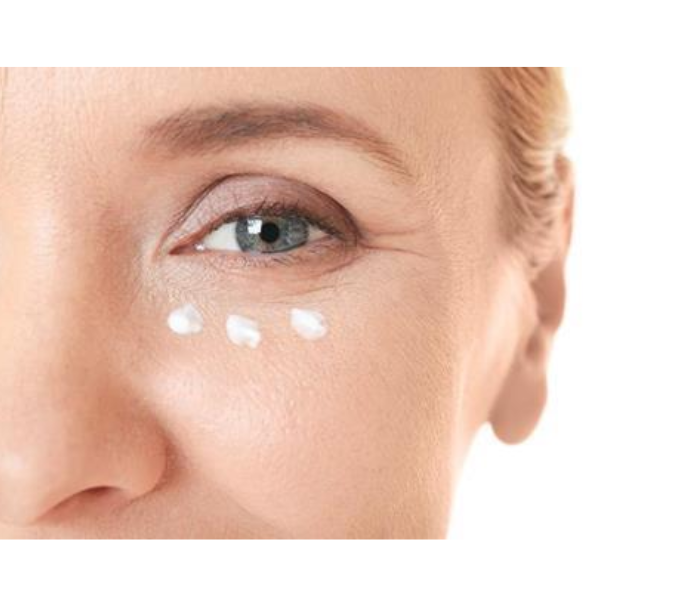
A dermatologist-recommended skincare routine for your 20s is more than just a beauty trend—it is the foundation for long-term skin health. Your 20s are the most important decade to build habits that prevent premature aging, acne scars, hyperpigmentation, and sun damage.
Many people in their 20s struggle with breakouts, oily skin, stress-related dullness, and inconsistent routines. Without proper guidance, it’s easy to overuse products or skip essential steps like sunscreen and retinol.
In this guide, you’ll learn 11 dermatologist-recommended skincare steps that are simple, effective, and practical for daily life. Whether you have oily, dry, or combination skin, this routine will help you maintain clear, healthy, and glowing skin for years to come.
Table of Contents
🌙 Retinol: A Dermatologist-Recommended Essential
Why Dermatologists Recommend Retinol
Dermatologists frequently recommend retinol because it is one of the most researched and proven ingredients for improving skin texture, preventing early wrinkles, and managing acne. Retinol boosts collagen production and increases cell turnover, which helps keep pores clear and skin smooth. Starting retinol in your 20s is considered a preventive step rather than a corrective one.
When to Start (Low Percentage First)
If you are new to retinol, always begin with a low concentration such as 0.25% or 0.3%. Your skin needs time to build tolerance. Using a high percentage too early can cause redness, dryness, and peeling. Slow introduction helps avoid irritation while still giving long-term benefits.
Who Should Avoid Retinol
Retinol is not recommended during pregnancy or breastfeeding. Individuals with extremely sensitive skin, rosacea, or a damaged skin barrier should consult a dermatologist before use. Professional guidance ensures safe and appropriate usage.
How Often to Use (2–3 Times Per Week)
Start by applying retinol at night 2–3 times per week. Once your skin adjusts without irritation, you may gradually increase frequency. Always follow with moisturizer and use sunscreen during the day.1. Cleanse Twice a Day with a Gentle Face Wash
A fundamental step in any dermatologist-recommended skincare routine for your 20s is cleansing. Proper cleansing removes dirt, makeup, excess oil, and impurities that can clog pores
- Morning: Use a mild, sulfate-free cleanser to refresh your skin and prepare it for skincare products.
- Evening: Opt for double cleansing if you wear makeup. Start with an oil-based cleanser to dissolve makeup, followed by a water-based cleanser to clean your pores thoroughly.
Avoid harsh scrubs, as they can cause irritation and disrupt your skin barrier. Instead, choose products that maintain your skin’s natural moisture
2. Apply an Antioxidant Serum (Vitamin C)
In your 20s, your skin starts facing damage from UV rays and environmental pollutants. A Vitamin C serum is a powerful addition to a dermatologist-recommended skincare routine for your 20s.
- Why: Vitamin C neutralizes free radicals, boosts collagen production, and brightens skin.
- How: Apply a few drops to clean skin in the morning before moisturizing.
- Look for serums with 10-20% L-ascorbic acid for optimal results.
- 3. Sunscreen is Non-Negotiable (SPF 30 or Higher)
Dermatologists emphasize that sunscreen is the cornerstone of any effective skincare routine.
- Protection: Sunscreen prevents premature aging, hyperpigmentation, and skin cancer.
- Daily Application: Use a broad-spectrum sunscreen with at least SPF 30 every day, even when indoors.
- Reapplication: Reapply every two hours if you’re outdoors.
Mineral-based sunscreens containing zinc oxide or titanium dioxide are ideal for sensitive skin types.
☀️ Sunscreen: Daily Protection You Cannot Skip
UVA vs UVB – Understanding the Difference
UVA rays penetrate deep into the skin and contribute to premature aging, fine lines, and pigmentation. UVB rays affect the outer skin layer and cause sunburn. Both types of rays damage skin cells over time and increase the risk of long-term skin concerns.
Why Daily Use Is Important (Even Indoors)
Many people believe sunscreen is only necessary outdoors. However, UVA rays can pass through windows and still affect your skin indoors. Daily exposure adds up over time, making consistent sunscreen use essential.
Minimum SPF Recommendation
Dermatologists recommend using a broad-spectrum sunscreen with at least SPF 30 for daily protection. Broad-spectrum ensures coverage from both UVA and UVB rays.
Reapplication Rule
If you are outdoors for extended periods, reapply sunscreen every 2–3 hours. Sweating and wiping your face can reduce its effectiveness.
4. Hydrate with a Lightweight Moisturizer
Keeping your skin hydrated is essential, even if your skin is oily or acne-prone.
- What to Use: Opt for non-comedogenic, lightweight moisturizers with hydrating ingredients like hyaluronic acid and ceramides.
- When to Apply: After cleansing and applying serums.
For dry skin, richer formulations can provide long-lasting hydration and a smoother complexion.
5. Introduce Retinol for Preventative Anti-Aging
Dermatologists recommend introducing retinol in your 20s to prevent fine lines and improve skin textur
- Why: Retinol boosts collagen production and accelerates skin cell turnover.
- How: Start with a low concentration (0.25% to 0.5%) and use it at night.
- Tips: Apply retinol only a few nights a week initially and always follow up with moisturizer.
Remember to use sunscreen during the day when incorporating retinol into your routine.
🌿 Acne Management: Smart Treatment for Clear Skin
Salicylic Acid vs Benzoyl Peroxide
Salicylic acid works by penetrating pores and removing excess oil and dead skin cells. It is ideal for blackheads and mild acne. Benzoyl peroxide targets acne-causing bacteria and is often used for inflamed or cystic breakouts.
Avoid Over-Exfoliation
Using too many exfoliating products can weaken the skin barrier. Over-exfoliation leads to redness, irritation, and sometimes even more breakouts. Balance is key when treating acne.
When to Consult a Dermatologist
If acne is persistent, painful, or causing scars, it is important to seek professional advice. A dermatologist can recommend prescription treatments or personalized solutions to prevent long-term damage.
6. Address Acne and Blemishes Strategically
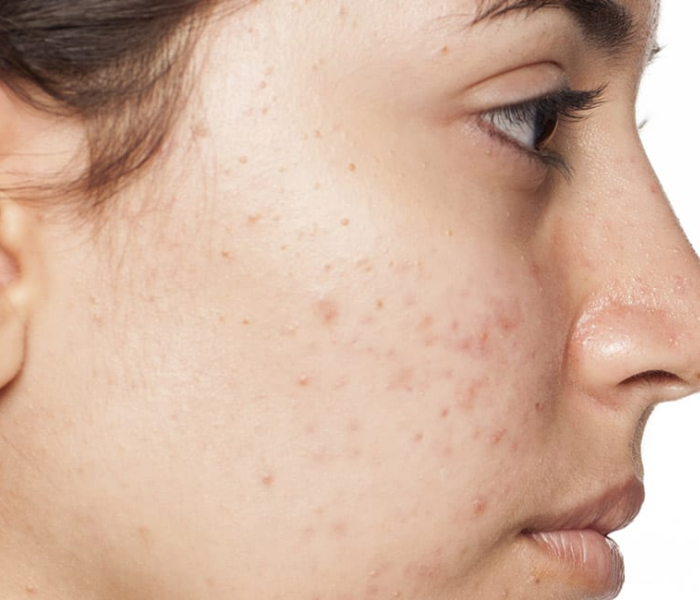
Hormonal changes and lifestyle factors can trigger breakouts in your 20s. A dermatologist-recommended skincare routine for your 20s includes targeted treatments for acne.
- Spot Treatments: Use products with benzoyl peroxide or salicylic acid to target blemishes.
- Oil Control: Apply clay masks once a week to absorb excess sebum.
Avoid over-drying your skin, as this can lead to increased oil production.
7. Exfoliate Weekly for Smooth, Radiant Skin
Exfoliation helps remove dead skin cells and promotes a brighter complexion.
- Chemical Exfoliants: Choose products containing AHAs (like glycolic acid) or BHAs (like salicylic acid).
- Frequency: Limit exfoliation to once or twice a week to avoid irritation.
- Avoid: Harsh physical scrubs that can cause micro-tears in the skin.
Exfoliating too often can disrupt your skin barrier, so moderation is key.
8. Use a Hydrating Eye Cream
The skin around your eyes is delicate and prone to early signs of aging. Starting an eye cream in your 20s can help prevent puffiness and fine lines
- Ingredients to Look For: Peptides and hyaluronic acid for hydration.
- Application: Gently tap the product around your orbital bone using your ring finger
9. Maintain a Balanced Diet for Healthy Skin
What you put into your body is just as important as what you apply to your skin.
- Eat: Antioxidant-rich foods like berries, leafy greens, and nuts to protect your skin from damage.
- Hydrate: Drink at least eight glasses of water daily to keep your skin plump.
- Limit: Avoid processed foods and sugar, which can trigger inflammation and breakouts.
A nutrient-rich diet supports a glowing complexion.
10. Manage Stress and Get Quality Sleep
Stress and sleep deprivation can negatively impact your skin, leading to breakouts and dullness.
- Stress Management: Incorporate mindfulness, yoga, or meditation into your routine.
- Sleep: Aim for 7-9 hours of quality sleep each night to allow your skin time to repair.
Quality rest and stress reduction play a critical role in maintaining healthy skin
11. Regular Dermatologist Visits
Scheduling routine check-ups with a dermatologist is a key part of a dermatologist-recommended skincare routine for your 20s.
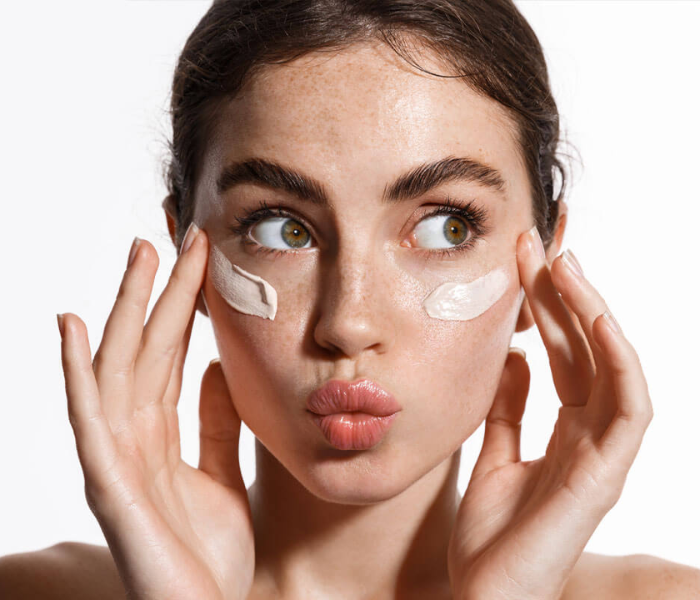
Dermatologists can also recommend treatments and products tailored to your skin type.
Understanding how to use recommended skincare for your 20s is essential for establishing a strong foundation for healthy skin. Start by cleansing your face twice a day with a gentle, sulfate-free cleanser to remove dirt, oil, and makeup without disrupting your skin’s natural barrier. In the morning, apply a Vitamin C serum to protect your skin from environmental stressors and maintain a radiant glow. Always follow up with a lightweight, non-comedogenic moisturizer to keep your skin hydrated and nourished
According to the American Academy of Dermatology (AAD), daily sunscreen use and proper cleansing are key factors in preventing premature skin ageing and long-term damage.
What to do to SkinCare Damage?
Following a Dermatologist-Recommended Skincare Routine for Your 20s is essential to prevent skincare damage and maintain a youthful complexion. Start by applying a broad-spectrum sunscreen with at least SPF 30 daily, even on cloudy days, to protect your skin from harmful UV rays. Keep your skincare routine gentle by using sulfate-free cleansers and avoiding harsh scrubs that can damage the skin barrier. Hydrate your skin with moisturizers containing ceramides and hyaluronic acid while drinking plenty of water to maintain skin elasticity. Incorporating antioxidants like Vitamin C helps combat environmental damage, making it a vital part of your Dermatologist-Recommended Skincare Routine for Your 20s.
An important tip on how to use recommended skincare for your 20s is to prioritize sunscreen application. Use a broad-spectrum sunscreen with SPF 30 or higher every morning to protect your skin from harmful UV rays that contribute to premature aging and dark spots. Reapply throughout the day if you’re outdoors for extended periods. In your nighttime routine, incorporate a retinol-based product to encourage skin cell renewal and target early signs of aging. Start by applying it a few times a week and gradually increase as your skin becomes accustomed.
⚠️ Common Skincare Mistakes in Your 20s (Deep Version)
Common Skincare Mistakes in Your 20s
Your 20s are the foundation years for healthy skin, but many small mistakes can create long-term issues.
Skipping sunscreen:
Many people believe sunscreen is only necessary during vacations or sunny days. In reality, daily UV exposure accumulates over time and accelerates aging.
Over-exfoliating:
Using scrubs, acids, or exfoliating tools too frequently can weaken the skin barrier. This often leads to sensitivity, breakouts, and irritation.
Using too many active ingredients:
Layering retinol, vitamin C, exfoliating acids, and acne treatments together may seem effective, but it can overwhelm your skin and cause inflammation.
Ignoring patch tests:
Trying new products without patch testing can lead to unexpected allergic reactions or breakouts.
Not following a consistent routine:
Skincare works best with consistency. Frequently switching products prevents your skin from adapting and showing results.
Avoiding these common mistakes can protect your skin’s health and improve long-term results.
Pros and Cons of a Dermatologist-Recommended Skincare Routine for Your 20s
Additionally, exfoliation is a key step when considering how to use recommended skincare for your 20s. Exfoliate once or twice a week with a gentle chemical exfoliant like AHAs or BHAs to prevent clogged pores and promote smoother skin. Incorporating an eye cream can help address and prevent fine lines around the delicate eye area. Don’t forget that a healthy lifestyle, including a balanced diet, staying hydrated, and getting adequate sleep, supports your skincare efforts and keeps your skin youthful and vibrant for years to come.
Frequently Asked Questions
1. At what age should I start using retinol?
Most dermatologists suggest starting low-strength retinol in your mid-20s if you have acne or early signs of aging.
2. Is SPF 30 enough for daily use?
Yes, SPF 30 broad-spectrum sunscreen is generally sufficient for daily protection when applied properly.
3. How often should I exfoliate in my 20s?
1–2 times per week is usually enough. Over-exfoliation can weaken your skin barrier.
4. Can I skip moisturizer if I have oily skin?
Conclusion: Your 20s Are the Foundation Years for Healthy Skin
Your skin in your 20s is an investment, not just a reflection of your current routine. The habits you build now will determine how your skin looks and feels in your 30s and 40s. While it may be tempting to experiment with trending products or expensive skincare brands, true skin health comes from consistency rather than cost.
A simple, dermatologist-recommended routine—cleansing gently, moisturizing daily, using sunscreen consistently, introducing retinol carefully, and managing acne properly—can protect your skin from long-term damage. Avoiding common skincare mistakes such as skipping sunscreen, over-exfoliating, or using too many active ingredients at once is equally important.
Healthy skin is not achieved overnight. It is built through small, consistent actions repeated every day. By establishing the right habits early, you give your skin the best chance to stay clear, strong, and youthful for years to come.
About the Author
I’m Richeya, a passionate writer focused on natural skincare, hair care, and simple home remedies inspired by traditional practices and reliable health sources. I enjoy researching practical self-care methods and breaking them down into easy, everyday routines that anyone can follow.
Through my articles, I aim to provide safe, realistic, and research-informed guidance that feels comfortable to use at home. I regularly refer to trusted medical sources and dermatologist-backed recommendations to ensure the information shared here is responsible and helpful. My goal is to make skincare and self-care feel simple, consistent, and sustainable for long-term results.