Winter haircare tips: keep your hair healthy and hydrated this season by following a well-structured routine that protects against dryness, breakage, and static. Cold weather, low humidity, and indoor heating can strip moisture from your hair, making it prone to damage. To maintain soft, strong, and shiny hair during winter, you need the right strategies and products. In this guide, we will discuss essential winter haircare tips to prevent common cold-weather hair problems and keep your locks looking their best.
Table of Contents
Why Winter Damages Your Hair
Before diving into the best winter haircare tips: keep your hair healthy and hydrated this season, it’s important to understand why hair becomes dry and brittle during winter:
- Low Humidity: Cold air lacks moisture, making your hair dry and frizzy.
- Indoor Heating: Artificial heating removes natural moisture from both the air and your hair.
- Frequent Styling: Blow drying, straightening, and curling can weaken hair strands.
- Wearing Hats and Scarves: While necessary for warmth, they cause friction and static, leading to breakage.
- Hot Showers: High water temperatures strip natural oils, leaving hair dry and vulnerable.
Essential Winter Haircare Tips
1. Moisturize Your Hair Regularly
One of the most important winter haircare tips: keep your hair healthy and hydrated this season is deep hydration. Use a hydrating shampoo and conditioner with ingredients like argan oil, shea butter, or glycerin to restore moisture. Applying a weekly deep-conditioning treatment or hair mask will further protect your strands from dryness.
2. Use Lukewarm Water When Washing
Hot water can strip natural oils, making your hair dry and lifeless. Instead, opt for lukewarm water when washing your hair to retain essential moisture. Finish with a cold rinse to seal the cuticle and add shine. Seasonal care matters throughout the year, so you can also read our guide on best hair care practices for summer to protect your hair in hot weather too.
3. Limit Heat Styling
Excessive heat styling can worsen winter dryness. Instead of using curling irons or straighteners daily, try heat-free styling techniques like braids or buns. When using heat, always apply a heat protectant spray to prevent damage.
4. Oiling Your Hair for Extra Hydration
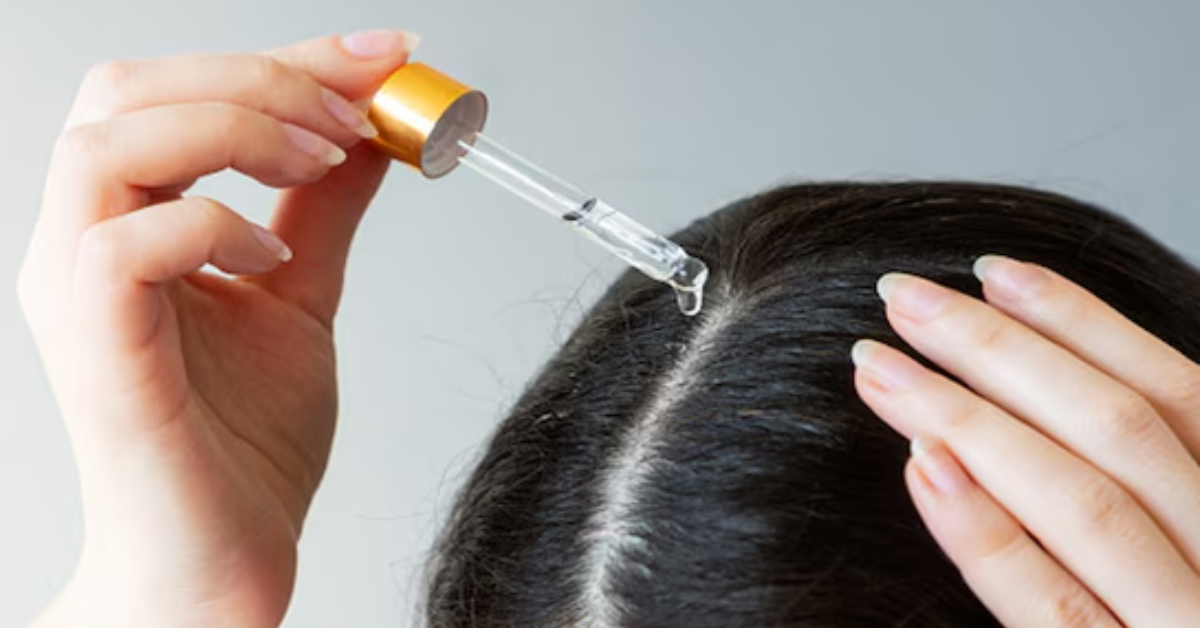
One of the best winter haircare tips: keep your hair healthy and hydrated this season is incorporating hair oil into your routine. Massaging your scalp with coconut, olive, or argan oil helps lock in moisture, prevent breakage, and strengthen roots. For best results, apply oil before shampooing and leave it on for at least 30 minutes.
5. Choose the Right Hair Products
Switch to sulfate-free, hydrating shampoos and conditioners in winter. Look for products containing:
- Hyaluronic acid (for moisture retention)
- Keratin (for strength and elasticity)
- Jojoba oil (for scalp nourishment)
6. Protect Your Hair from Harsh Weather
Cold winds can strip moisture from your hair, making it brittle. Protect your locks by wearing a silk-lined hat or scarf. Silk reduces friction and prevents frizz compared to wool or cotton materials. If your hair feels rough or brittle, a proper deep conditioning treatment for dry hair can help restore softness and shine.
7. Reduce Hair Wash Frequency
Washing your hair too frequently can strip away natural oils. Try washing only 2-3 times a week to retain moisture. Use dry shampoo between washes to keep your scalp fresh without over-drying your hair.
8. Stay Hydrated and Eat a Balanced Diet
Hydration starts from within. Drink plenty of water and eat nutrient-rich foods like nuts, seeds, fish, and leafy greens. These provide essential vitamins like biotin, omega-3 fatty acids, and vitamin E to support hair health.
9. Avoid Static and Frizz
Static and frizz are common winter hair concerns. Reduce static by using a leave-in conditioner or anti-frizz serum. You can also run a dryer sheet over your hair or use a silk pillowcase to prevent friction and flyaways.
10. Trim Your Hair Regularly
Getting regular trims every 6-8 weeks helps prevent split ends and keeps your hair looking healthy. Winter dryness can make split ends worse, so keeping up with trims ensures stronger and smoother hair.
11. Deep Condition Weekly
A weekly deep-conditioning treatment or hair mask is crucial during winter. Opt for masks containing honey, avocado, or yogurt to nourish and strengthen your hair from within.
12. Cover Your Hair While Sleeping
To prevent moisture loss overnight, sleep on a satin or silk pillowcase. Alternatively, wrap your hair in a silk scarf to reduce breakage and frizz while you sleep.
13. Use a Humidifier
Indoor heating can dry out your scalp and hair. Using a humidifier helps maintain moisture levels in the air, preventing excessive dryness and flakiness.
14. DIY Winter Hair Mask Recipe

For extra nourishment, try this DIY hair mask:
- 2 tablespoons coconut oil
- 1 tablespoon honey
- 1 mashed banana
- 1 egg yolk
Mix ingredients, apply to damp hair, leave for 30 minutes, then rinse with lukewarm water. This mask deeply hydrates and strengthens your hair.
Winter haircare tips: Keep your hair healthy and hydrated to combat the dryness and brittleness that cold weather brings. The combination of chilly winds and indoor heating can strip moisture from your hair, leading to frizz and breakage. To maintain hydration, incorporate deep-conditioning treatments and hydrating hair masks into your routine at least once a week. Opt for shampoos and conditioners infused with nourishing ingredients like argan oil, shea butter, and coconut oil to lock in moisture and keep your hair soft, smooth, and manageable throughout winter.
Pros and Cons of Winter Haircare Tips: Keep Your Hair Healthy and Hydrated
Protecting your hair from harsh winter conditions is essential for maintaining its health. Wearing a hat or wrapping your hair in a silk scarf can help prevent moisture loss and protect against cold winds. However, wool and cotton hats can cause friction and lead to breakage, so using satin or silk-lined headwear is a better option. Additionally, washing your hair with lukewarm water instead of hot water helps preserve its natural oils, ensuring that your scalp remains nourished and your hair stays hydrated.
Reducing heat styling is another key winter haircare tip to keep your hair strong and healthy. Frequent use of blow dryers, curling irons, and straighteners can deplete moisture, making hair more vulnerable to damage. Whenever possible, allow your hair to air-dry or apply a heat protectant before styling. Using a lightweight, non-greasy hair oil or serum can further help seal in moisture and combat frizz. By following these winter haircare tips: Keep your hair healthy and hydrated, you can enjoy beautiful, nourished hair all season long.
Common Winter Hair Care Mistakes to Avoid
- Washing hair with very hot water
- Using too much heat styling without protection
- Skipping conditioner
- Ignoring the scalp when dryness starts
- Wearing rough wool caps directly on the hair
- Overloading the hair with too many heavy products
Scalp Care Matters in Winter Too
Many people focus only on dry hair during winter, but the scalp also needs extra care. Cold weather, indoor heating, and reduced humidity can make the scalp feel tight, flaky, or irritated. In some cases, what looks like dandruff may actually be dryness caused by the weather. Using a gentle shampoo, avoiding very hot water, and applying lightweight scalp-friendly oils or serums can help maintain balance.
It is also important not to overload the scalp with too many heavy products. While winter calls for extra moisture, product buildup can make hair look dull and may irritate the scalp. A simple routine with the right shampoo, conditioner, and occasional deep conditioning usually works better than layering too many products at once.
Protective Fabrics Can Make a Difference
Winter accessories like hats, scarves, and hoodies can protect your hair from cold winds, but rough fabrics may also create friction. Wool and some synthetic materials can lead to frizz, static, and breakage, especially around the hairline and ends. For more dermatologist-backed advice, you can also read the American Academy of Dermatology’s tips for healthy hair. Choosing silk or satin-lined caps, or wrapping your hair with a soft scarf underneath, can reduce friction and help preserve moisture.
Cleveland Clinic also notes that winter dryness can affect both the scalp and hair, and that moisturizing products and the right washing routine can help.
FAQ section
This small habit is especially useful for people with curly, wavy, dry, or chemically treated hair, since these hair types usually lose moisture faster in cold weather.
Frequently Asked Questions
1. How often should I wash my hair in winter?
It depends on your hair type and scalp condition. In winter, many people benefit from washing slightly less often than usual to avoid stripping natural oils. If your scalp is oily, you may still need regular washing, while dry or textured hair may need gentler, less frequent cleansing. Dermatologist guidance suggests wash frequency should match how oily or dirty your hair gets and your hair type.
2. Why does hair become dry in winter?
Hair often becomes dry in winter because cold air has less moisture, indoor heating can dry out the environment, and hot showers may strip natural oils. These factors can leave the scalp and hair feeling rough, brittle, and frizzy.
3. Is oiling good for hair in winter?
Yes, light oiling can help lock in moisture and reduce dryness for some hair types. However, the amount should match your scalp type. Very oily scalps may prefer lighter application or using oil mainly on the hair lengths instead of the scalp.
4. Can winter cause more hair fall?
Winter dryness, friction from hats and scarves, and breakage from rough handling can make hair fall seem worse. Some shedding is normal, but excessive breakage can increase if the hair is dry and weak. Cleveland Clinic notes that daily hair shedding is normal, and seeing shed hairs in the shower can be common.
5. Should I avoid heat styling completely in winter?
You do not always need to avoid it completely, but reducing heat styling is a smart idea. Frequent use of blow dryers, straighteners, and curling tools can worsen dryness and breakage, especially in cold weather.
6. What is the best winter hair care tip?
The best winter hair care tip is to focus on moisture. A gentle shampoo, rich conditioner, weekly deep conditioning, less heat, and protection from friction can make a big difference over the season.
Conclusion
Winter can be hard on both your hair and scalp, but the right routine can make a big difference. Simple habits like using lukewarm water, deep conditioning regularly, reducing heat styling, protecting your hair from friction, and keeping your scalp balanced can help prevent dryness, breakage, and frizz. The key is consistency. Instead of using too many products, focus on a few nourishing steps that suit your hair type. With the right winter care, you can keep your hair softer, healthier, and easier to manage throughout the season.
About the Author
Richeya is a writer who focuses on natural hair care, simple beauty routines, and practical home remedies for everyday life. She creates easy-to-follow content designed to help readers care for their hair with realistic, gentle, and effective habits. Her goal is to make self-care feel simple, useful, and approachable for everyone.