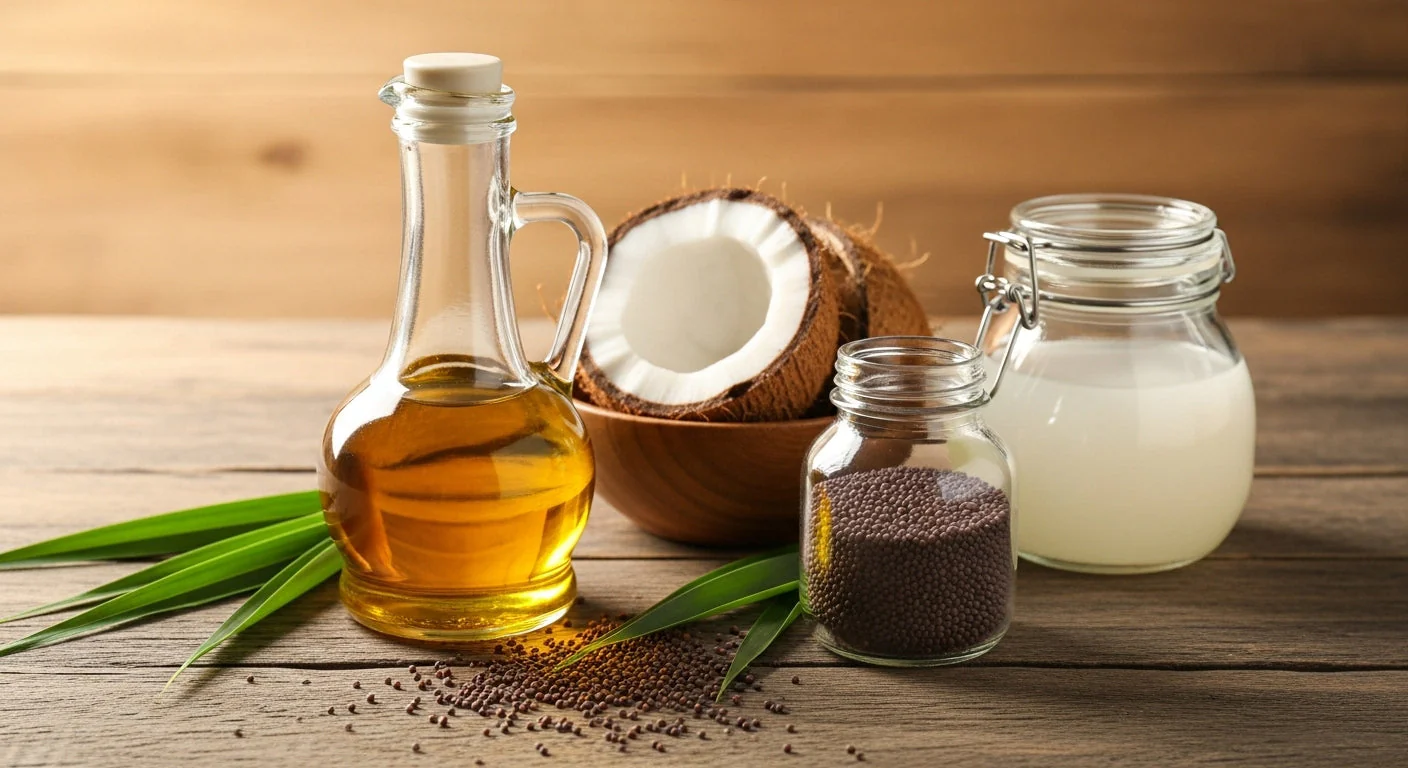
Coconut oil or mustard oil which is better for hair is one of the most frequently asked questions in natural hair care. Many people use oils regularly but still struggle with hair fall, dryness, or slow growth because they are using the wrong oil for their scalp type. Both coconut oil and mustard oil are traditional remedies, yet they work in completely different ways.
Understanding how each oil behaves on the scalp and hair shaft can make a huge difference in results. Instead of blindly applying oil, choosing the right one based on your hair condition helps improve growth, strength, and texture almond oil or coconut oil for hair naturally.
Table of Contents
Why Choosing the Right Oil Matters
Hair problems usually come from two areas:
- Hair shaft damage – dryness, roughness, split ends
- Scalp weakness – hair fall, thinning, slow growth
Coconut oil mainly repairs the hair shaft, while mustard oil mainly activates the scalp. That is why the answer to coconut oil or mustard oil which is better for hair depends on your actual hair concern.
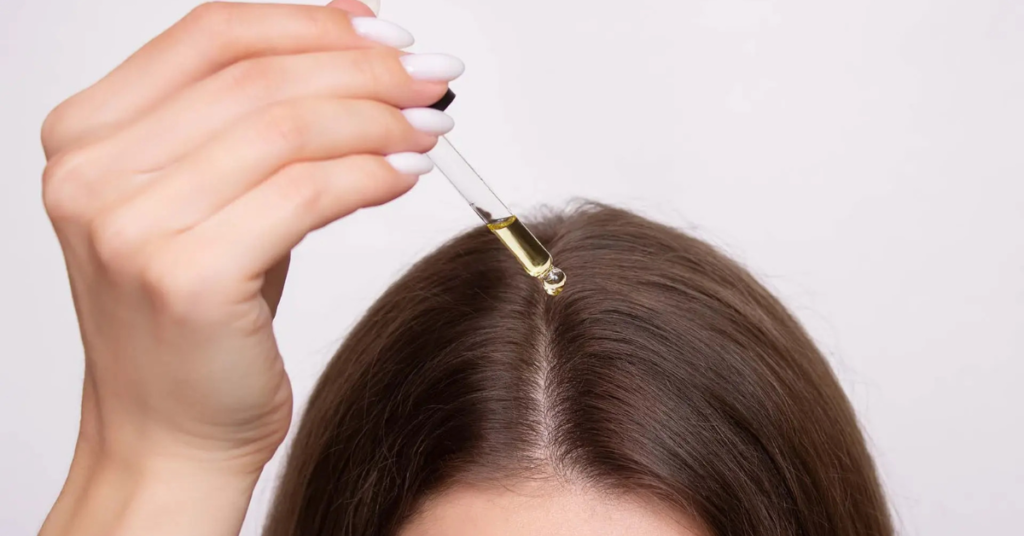
Coconut oil contains lauric acid, a fatty acid that penetrates inside the hair instead of staying on the surface. Because of this, benefits of coconut oil for hair it protects hair from protein loss and keeps strands strong.
Benefits of Coconut Oil
- Deep penetration into hair shaft
- Prevents breakage
- Controls frizz
- Repairs damaged hair
- Softens rough hair
- Protects during washing
- Calms dry scalp

Coconut Oil for Hair – Deep Nourishment
People with dry or chemically treated hair usually notice smoother texture after consistent use.
How to Use Coconut Oil
- Take 1–2 tablespoons coconut oil
- Warm slightly (not hot)
- Apply from scalp to ends
- Leave for 30 minutes or overnight
- Wash with mild shampoo
Use 2–3 times per week.
Mustard Oil for Hair – Growth Stimulation
Mustard oil works very differently. Instead of coating the hair, it stimulates blood circulation in the scalp. It contains omega-3 fatty acids, selenium, and natural sulfur compounds that activate hair follicles.
This is why many people searching coconut oil or mustard oil which is better for hair growth often get faster growth results from mustard oil. how oil massage improves scalp circulation

Benefits of Mustard Oil
- Improves scalp blood flow
- Reduces hair fall
- Strengthens roots
- Helps regrowth
- Fights dandruff
- Improves thickness
It is especially helpful for people whose hair falls from the root rather than breaking from the ends.
How to Use Mustard Oil
- Slightly warm the oil
- Apply mainly on scalp
- Massage gently for 5 minutes
- Leave 20–30 minutes
- Wash thoroughly
Use 1–2 times weekly only.
Coconut Oil vs Mustard Oil – Direct Comparison
| Feature | Coconut Oil | Mustard Oil |
|---|---|---|
| Main role | Repairs hair | Activates scalp |
| Best for | Dry & damaged hair | Hair fall & growth |
| Penetration | Deep into hair | Works on scalp |
| Texture | Light | Heavy |
| Smell | Mild | Strong |
| Overnight use | Safe | Not recommended |
| Sensitive scalp | Suitable | May irritate |
So when asking coconut oil or mustard oil which is better for hair, the answer depends on whether your problem is hair damage or root weakness.
Using Both Oils Together
Many people get the best results by combining them instead of choosing only one.

Balanced Method
Mix:
- 2 spoons coconut oil
- 1 spoon mustard oil
Apply to scalp and lightly through lengths for 30 minutes.
This combination gives nourishment + growth stimulation.
Precautions
- Do patch test before first use
- Never overheat mustard oil
- Avoid leaving mustard oil overnight
- Wash properly to prevent buildup
- Do not use on infected scalp
- Use mild shampoo after oiling
Improper use is one reason people feel confused about coconut oil or mustard oil which is better for hair — often the issue is method, not the oil itself.
Who Should Avoid
Avoid mustard oil if you have:
- Very sensitive scalp
- Skin allergy
- Migraine triggered by strong smell
- Children below 10 years
- Open scalp wounds
They should prefer coconut oil only.
Small Observation
People with hair fall usually apply oil only to hair length. But hair growth depends more on scalp stimulation than hair coating. That is why mustard oil often gives faster growth results, while coconut oil improves natural oils for hair growth routine texture and smoothness.
Final Conclusion
So finally, coconut oil or mustard oil which is better for hair has no single answer for everyone.
Choose coconut oil if:
- Hair is dry
- Hair breaks easily
- Ends are rough
Choose mustard oil if:
- Hair falls from roots
- Growth is slow
- Hair feels thin
For most people, alternating both oils during the week gives balanced and long-term results.
Understanding your hair type matters more than choosing a popular oil. The right oil used correctly always works better than using the wrong oil regularly.
FAQ Section
1. Can I mix coconut oil and mustard oil together?
Yes. Mixing coconut oil with mustard oil gives both nourishment and scalp stimulation. Use in a 2:1 ratio and apply for 30 minutes before washing.
2. Which oil is best for hair fall coconut or mustard?
Mustard oil is usually better for hair fall because it improves blood circulation in the scalp, while coconut oil mainly prevents breakage.
3. Is mustard oil safe for sensitive scalp?
No. Mustard oil can cause irritation on sensitive skin. Always do a patch test or dilute with coconut oil before applying.
4. How many times a week should I oil my hair?
2–3 times per week is enough. Over-oiling can clog scalp pores and increase dandruff.
5. Can I leave mustard oil overnight?
Not recommended. Mustard oil is strong and may cause scalp heat or itching if left overnight.
6. Which oil gives faster hair growth?
Mustard oil promotes faster growth, while coconut oil improves hair strength and smoothness.
About the Author
I’m Richeya, and I write about natural hair care and simple home remedies inspired by traditional practices and reliable health sources. I enjoy learning practical self-care methods and sharing them in an easy way so anyone can follow them in daily life. My aim is to provide safe, realistic guidance that feels simple and comfortable to use at home.