When it comes to nourishing your scalp and promoting hair growth, organic coconut oil for hair growth: nature’s secret to strong and healthy hair, remains one of the most trusted natural remedies. Packed with essential fatty acids, vitamins, and antimicrobial properties, this oil not only stimulates hair follicles but also strengthens hair strands from the root to the tip. In a world full of synthetic hair products, organic coconut oil stands out for its purity and effectiveness, making it an essential in every hair care routine.
Table of Contents
The Science Behind Organic Coconut Oil for Hair Growth
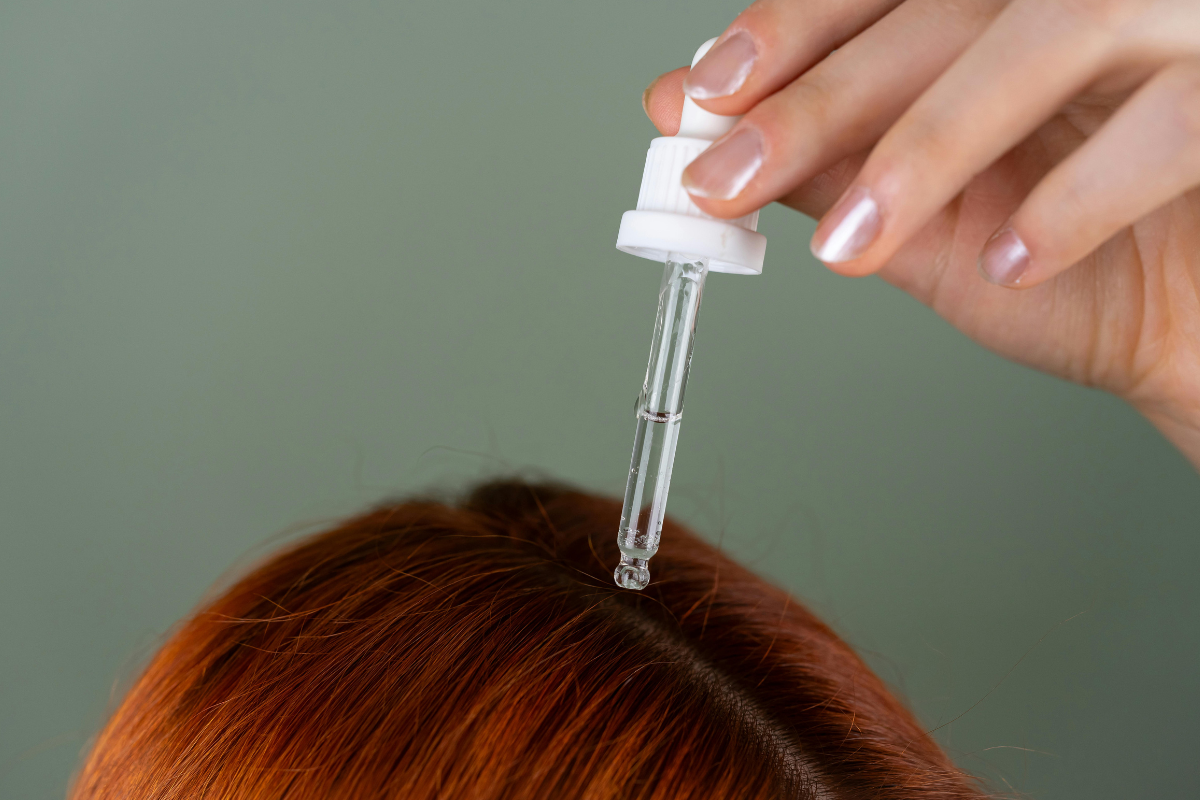
Organic coconut oil for hair growth: nature’s secret to strong and healthy hair, is not just a beauty myth—it’s supported by science. Coconut oil contains lauric acid, a medium-chain fatty acid that penetrates deep into the hair shaft to repair damage and protect it from protein loss. Unlike mineral oil or other synthetic alternatives, organic coconut oil bonds naturally with hair proteins, ensuring better retention of moisture and elasticity.
This powerful oil also possesses antibacterial and antifungal properties that help keep the scalp healthy. A clean and well-nourished scalp is the foundation for optimal hair growth. Regular use of organic coconut oil not only reduces dandruff and flakiness but also improves blood circulation in the scalp, promoting faster hair regrowth and reducing hair fall.
Why Go Organic?
When we talk about organic coconut oil for hair growth: nature’s secret to strong and healthy hair, it’s crucial to emphasize the organic part. Organic coconut oil is free from harmful pesticides, synthetic fertilizers, and chemicals that may irritate the scalp or clog hair follicles. Cold-pressed and unrefined varieties preserve the natural nutrients in the oil, delivering maximum benefits to your hair.
Organic coconut oil is also eco-friendly and sustainably sourced, making it a great option for conscious consumers who care about their hair and the environment. Unlike processed oils, organic coconut oil retains its natural fragrance and rich consistency, making every application a luxurious experience.
How to Use Organic Coconut Oil for Hair Growth

Using organic coconut oil for hair growth: nature’s secret to strong and healthy hair, is incredibly easy and versatile. Here are some tried-and-true methods:
- Overnight Hair Treatment: Warm a few tablespoons of organic coconut oil and gently massage it into your scalp using circular motions. Leave it on overnight and wash with a mild shampoo in the morning. This deeply nourishes your roots and promotes healthy growth.
- Pre-Shampoo Treatment: Apply organic coconut oil to your hair 30–60 minutes before you shower. This prevents protein loss during washing and keeps your hair soft and shiny.
- Leave-in Conditioner: Just a few drops of coconut oil applied to the tips of your hair can prevent split ends and tame frizz, acting as a natural conditioner.
- Scalp Massage Oil: Combine organic coconut oil with a few drops of essential oils like rosemary or lavender for an aromatic scalp massage that stimulates blood flow and enhances growth. Castor oil vs coconut oil for hair: Which one is better?
Consistency is key. For the best results, use organic coconut oil 2–3 times a week, and be sure to choose a high-quality, cold-pressed, virgin organic oil.
Who Should Use It?
Organic coconut oil for hair growth: nature’s secret to strong and healthy hair, is suitable for all hair types—whether straight, wavy, curly, or coily. It works wonders for those dealing with dryness, dandruff, hair fall, or slow hair growth. Even individuals with color-treated or chemically processed hair can benefit, as the oil helps restore natural shine and strength.
However, those with extremely fine or oily hair might find it a bit heavy. In such cases, using a smaller amount or applying it only to the scalp and rinsing thoroughly can provide the benefits without the weight. For broader healthy hair habits, you can also review the American Academy of Dermatology’s hair and scalp
Cleveland Clinic notes that hair oiling may help with hydration and protection for some hair types, but oiling the scalp is not ideal for everyone, especially people prone to dandruff or very oily scalp.
DIY Hair Masks with Organic Coconut Oil
Maximize the benefits of organic coconut oil for hair growth: nature’s secret to strong and healthy hair, by mixing it with other natural ingredients. Here are two easy DIY hair mask recipes:
1. Coconut Oil & Aloe Vera Mask
- 2 tablespoons of organic coconut oil
- 2 tablespoons of fresh aloe vera gel
Mix well and apply to scalp and hair. Leave on for 30–45 minutes and wash with a gentle shampoo.
2. Coconut Oil & Egg Mask
- 1 egg
- 2 tablespoons of organic coconut oil
Beat the egg and mix with coconut oil. Apply the mask evenly from roots to tips. Leave it on for 20–30 minutes before washing it off with cool water and a mild shampoo.
These masks help to boost moisture, add protein, and stimulate growth—giving your hair the holistic nourishment it needs.
How to Choose the Best Organic Coconut Oil for Hair
Not all coconut oils are the same, and choosing the right one can make a noticeable difference in your hair care routine. For the best results, look for organic, cold-pressed, and unrefined coconut oil. These types are processed with minimal heat, which helps preserve the natural fatty acids and nutrients that support scalp moisture and reduce protein loss in the hair shaft.
When buying coconut oil for hair growth, check the label carefully. Avoid products with artificial fragrance, mineral oil, or unnecessary additives. Pure organic coconut oil should ideally list only one ingredient: coconut oil. A glass jar is often a better packaging choice than low-quality plastic, especially if you live in a hot climate where the oil may melt and solidify frequently.
It is also helpful to do a patch test before applying coconut oil to the scalp, especially if you have sensitive skin or are prone to scalp buildup. While many people find coconut oil deeply nourishing, others with very oily scalps may prefer using it only on the mid-lengths and ends. Using the right amount for your hair type is the key to getting benefits without heaviness.
Prevent Hair Fall Naturally
To prevent hair fall naturally, consider incorporating Organic Coconut Oil for Hair Growth: Nature’s Secret to Strong and Healthy Hair into your routine. This powerful oil deeply nourishes the scalp, strengthens hair follicles, and promotes healthy hair growth. Alongside regular oiling, maintain a balanced diet, avoid harsh chemical treatments, and minimize heat styling to protect your strands. By using Organic Coconut Oil for Hair Growth: Nature’s Secret to Strong and Healthy Hair, you can reduce hair fall effectively while supporting overall hair health.
Organic coconut oil for hair growth: nature’s secret to strong and healthy hair, offers a safe, effective, and affordable solution for people struggling with hair issues. best hair care practices for summer With consistent use, this natural remedy can significantly improve the health of your scalp and hair, reduce hair fall, and promote faster and stronger growth.
How to Choose the Best Organic Coconut Oil for Hair
Not all coconut oils are the same, and choosing the right one can make a noticeable difference in your hair care routine. For the best results, look for organic, cold-pressed, and unrefined coconut oil. These types are processed with minimal heat, which helps preserve the natural fatty acids and nutrients that support scalp moisture and reduce protein loss in the hair shaft.
When buying coconut oil for hair growth, check the label carefully. Avoid products with artificial fragrance, mineral oil, or unnecessary additives. Pure organic coconut oil should ideally list only one ingredient: coconut oil. A glass jar is often a better packaging choice than low-quality plastic, especially if you live in a hot climate where the oil may melt and solidify frequently.
It is also helpful to do a patch test before applying coconut oil to the scalp, especially if you have sensitive skin or are prone to scalp buildup. While many people find coconut oil deeply nourishing, others with very oily scalps may prefer using it only on the mid-lengths and ends. Using the right amount for your hair type is the key to getting benefits without heaviness.
FAQs About Organic Coconut Oil for Hair Growth
1. Does organic coconut oil really help hair growth?
Organic coconut oil does not magically grow hair overnight, but it can support a healthier scalp environment, reduce dryness, and minimize breakage. Over time, this can help hair look fuller, stronger, and healthier.
2. How often should I use organic coconut oil on my hair?
For most people, using it 1 to 2 times a week is enough. If your hair is very dry or damaged, you may use it slightly more often. If your scalp is oily, apply a smaller amount and focus more on the hair lengths.
3. Can I leave coconut oil on my hair overnight?
Yes, many people use organic coconut oil as an overnight treatment. However, if you have a sensitive or oily scalp, a 30-minute to 1-hour treatment may be a better option.
4. Is organic coconut oil suitable for all hair types?
It can work for many hair types, especially dry, thick, curly, or damaged hair. People with very fine or oily hair may need to use less product to avoid heaviness.
5. What is the difference between organic and regular coconut oil for hair?
Organic coconut oil is usually free from synthetic pesticides and is often less processed. Cold-pressed, unrefined organic coconut oil also tends to retain more of its natural properties.
6. Can coconut oil reduce hair fall?
Coconut oil may help reduce hair fall caused by dryness, breakage, and weak hair strands. If hair fall is due to hormonal, medical, or nutritional reasons, it is best to address the root cause as well.
About the Author
Richeya is a content writer focused on natural hair care, home remedies, and simple self-care practices for everyday life. She creates practical, easy-to-follow articles that combine traditional beauty wisdom with clear, reader-friendly guidance. Her goal is to help readers build healthier hair care routines using simple and realistic methods at home.