Rice water for dandruff is one of the simplest and most affordable natural remedies you can try at home. If you struggle with an itchy scalp, white flakes on your shoulders, or constant scalp irritation, this traditional hair care method may help restore balance gently and naturally.
Used for centuries in Asian beauty practices, rice water is rich in nutrients that nourish both the scalp and hair. Today, many people are rediscovering rice water for dandruff as a chemical-free alternative to harsh anti-dandruff products.
Table of Contents
In this detailed guide, you’ll learn how it works, how to prepare it correctly, and how to use it safely for best results.
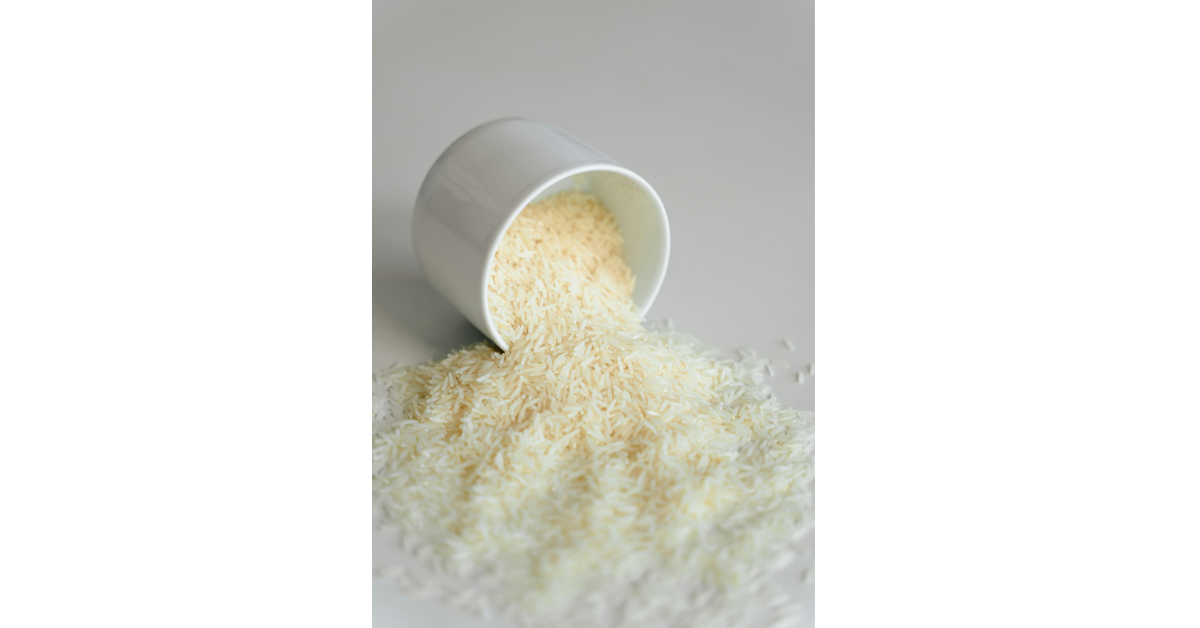
Rice water is the starchy liquid left behind after soaking or boiling rice. This cloudy liquid contains beneficial nutrients such as:
- Amino acids
- B vitamins
- Vitamin E
- Minerals
- Antioxidants

Historically, women in Japan and China used rice water to maintain long, strong, and healthy hair. The nutrients in rice water help strengthen hair strands while also supporting scalp health.
What Causes Dandruff?
Before understanding how rice water for dandruff works, it’s important to know what causes dandruff in the first place. If you are dealing with constant flakes, you may also find our detailed guide on how to control dandruff naturally at home helpful for building a complete scalp care routine.
Common causes include:
- Dry scalp
- Excess oil production
- Fungal overgrowth
- Product buildup
- Sensitivity to hair products
- Stress and hormonal imbalance
Dandruff is not always just dryness. In many cases, it is linked to scalp imbalance or mild inflammation.
How Rice Water for Dandruff Helps
Rice water for dandruff works in several gentle but effective ways:
1️⃣ Restores Scalp Balance
Fermented rice water has a slightly acidic pH, which helps balance the scalp’s natural environment. A balanced scalp is less likely to produce flakes.
2️⃣ Reduces Irritation and Itching
The antioxidants and vitamins in rice water help calm irritated skin. If your dandruff is accompanied by itching, rice water may provide soothing relief.
3️⃣ Controls Excess Oil
An oily scalp can worsen dandruff. Rice water gently cleanses the scalp without stripping away natural moisture.
4️⃣ Strengthens Hair Roots
Frequent scratching weakens hair roots. The amino acids in rice water help strengthen strands and reduce breakage.
When used consistently, rice water for dandruff supports overall scalp health rather than just masking symptoms.
Benefits of Using Rice Water for Dandruff
Here are the main advantages of choosing rice water:
- ✔ Natural and chemical-free
- ✔ Affordable and easily available
- ✔ Gentle on sensitive scalps
- ✔ Improves hair texture
- ✔ May reduce visible flakes
- ✔ Supports long-term scalp health
Unlike harsh shampoos, rice water for dandruff works gradually and supports the scalp’s natural balance. For deeper scalp nourishment, you can also read our article on the best natural oils for scalp health to support stronger and healthier hair roots.
How to Prepare Rice Water at Home
Preparing rice water is simple and requires only one ingredient.
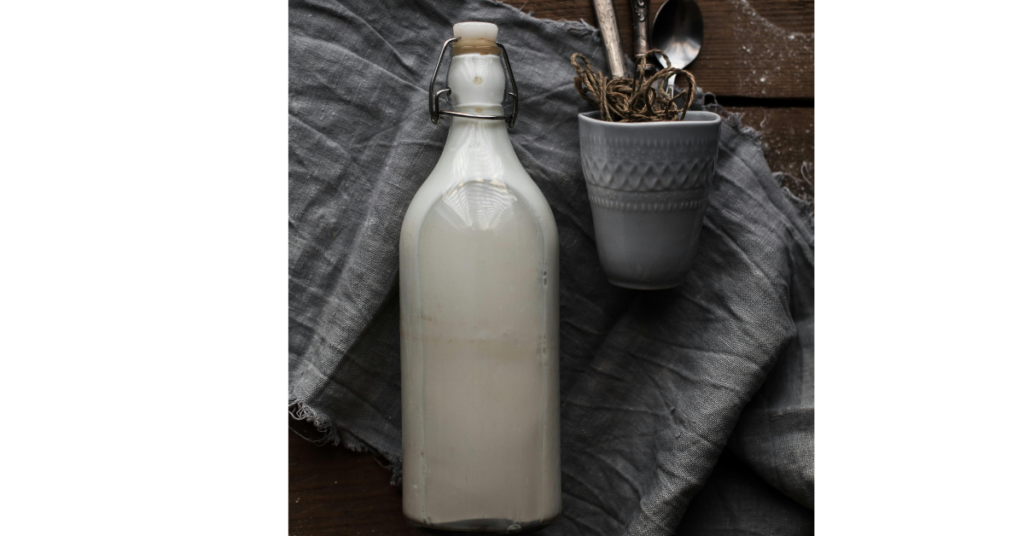
Soaking Method (Beginner Friendly)
- Take ½ cup of uncooked rice.
- Rinse it thoroughly to remove dirt.
- Add 2 cups of clean water.
- Let it soak for 30 minutes.
- Strain and collect the water.
This mild version works well for beginners.
Fermented Rice Water (More Effective)
- Prepare rice water using soaking method.
- Leave the strained water at room temperature for 24 hours.
- Once it develops a slightly sour smell, refrigerate it.
Fermented rice water contains higher antioxidant levels and may enhance results for dandruff.
How to Use Rice Water for Dandruff Correctly
To get the best results:
- Wash your hair with a mild shampoo.
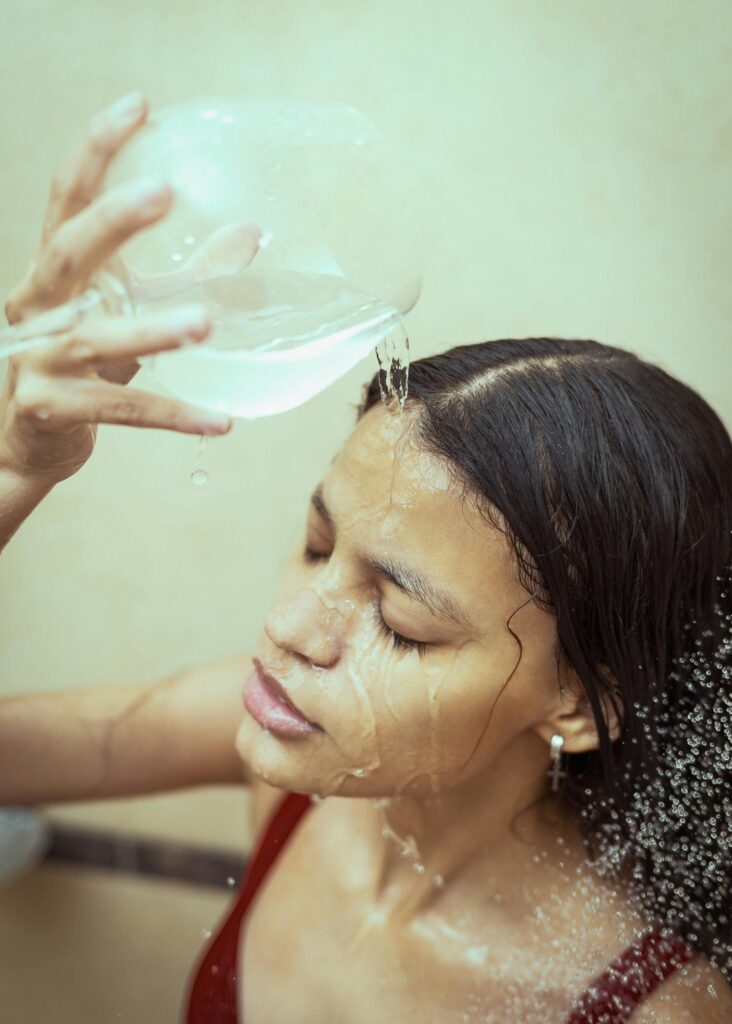
- Pour rice water directly onto your scalp.
- Massage gently for 5 minutes.
- Leave it on for 10–15 minutes.
- Rinse with lukewarm water.
Use rice water for dandruff 1–2 times per week. Overuse may lead to dryness.
Rice Water vs Anti-Dandruff Shampoo
| Feature | Rice Water | Anti-Dandruff Shampoo |
|---|---|---|
| Natural | Yes | Not always |
| Cost | Very low | Moderate |
| Chemical content | None | May contain sulfates |
| Results speed | Gradual | Faster |
| Long-term scalp health | Supports naturally | Depends on formula |
While anti-dandruff shampoos may provide faster visible results, rice water for dandruff is ideal for those who prefer natural care.
According to the American Academy of Dermatology, persistent dandruff may require medicated
treatment if home remedies are not effective.
When Can You Expect Results
Results depend on consistency.
- Week 1–2: Reduced itching
- Week 3–4: Visible reduction in flakes
- 1 Month: Improved scalp balance
Natural remedies require patience. Rice water for dandruff works best when used regularly and combined with a healthy hair routine.
Who Should Avoid Rice Water?
Although generally safe, avoid using rice water if:
- You have severe scalp infections
- You experience excessive dryness
- You notice increased irritation
Always do a patch test before first use.
Frequently Asked Questions
1. Can rice water completely remove dandruff?
Rice water for dandruff may reduce mild flakes, but severe dandruff may need medical treatment.
2. How often should I apply rice water?
1–2 times per week is sufficient.
3. Can I leave rice water overnight?
It is better to rinse it off after 15–20 minutes to avoid dryness.
4. Does rice water cause hair fall?
No, when used properly, it may strengthen hair and reduce breakage.
Conclusion
Rice water for dandruff is a gentle, affordable, and natural solution for maintaining a healthier scalp. While it may not replace medicated treatments for severe conditions, it works well for mild dandruff and scalp imbalance. With consistent use, rice water can help reduce flakes, soothe itching, and support stronger hair growth.
If you prefer simple home remedies over chemical treatments, rice water for dandruff is definitely worth trying.
About the Author
I’m Richeya, and I write about natural hair care and simple home remedies inspired by traditional practices and reliable health sources. I enjoy learning practical self-care methods and sharing them in an easy way so anyone can follow them in daily life. My aim is to provide safe, realistic guidance that feels simple and comfortable to use at home.