Cream for dry scalp can be a useful option for people dealing with scalp dryness, tightness, itching, and dry flakes. When the scalp loses moisture, it may feel uncomfortable and look flaky, especially during cold weather, after frequent washing, or when using harsh hair products.
Unlike regular hair creams, a scalp cream is designed to moisturize the skin of the scalp. The right formula may help support the scalp’s moisture barrier while reducing the uncomfortable feeling associated with dryness.
However, it is important to understand that a dry scalp and dandruff are not always the same thing. Dryness is often related to moisture loss, while dandruff can be associated with conditions such as seborrheic dermatitis. If you have persistent itching, redness, thick scales, pain, or other unusual symptoms, it is better to consult a dermatologist.
In this guide, we’ll look at the benefits of using cream for dry scalp, ingredients to look for, how to use it properly, possible drawbacks, and our honest review.
Table of Contents
What Is Cream for Dry Scalp?
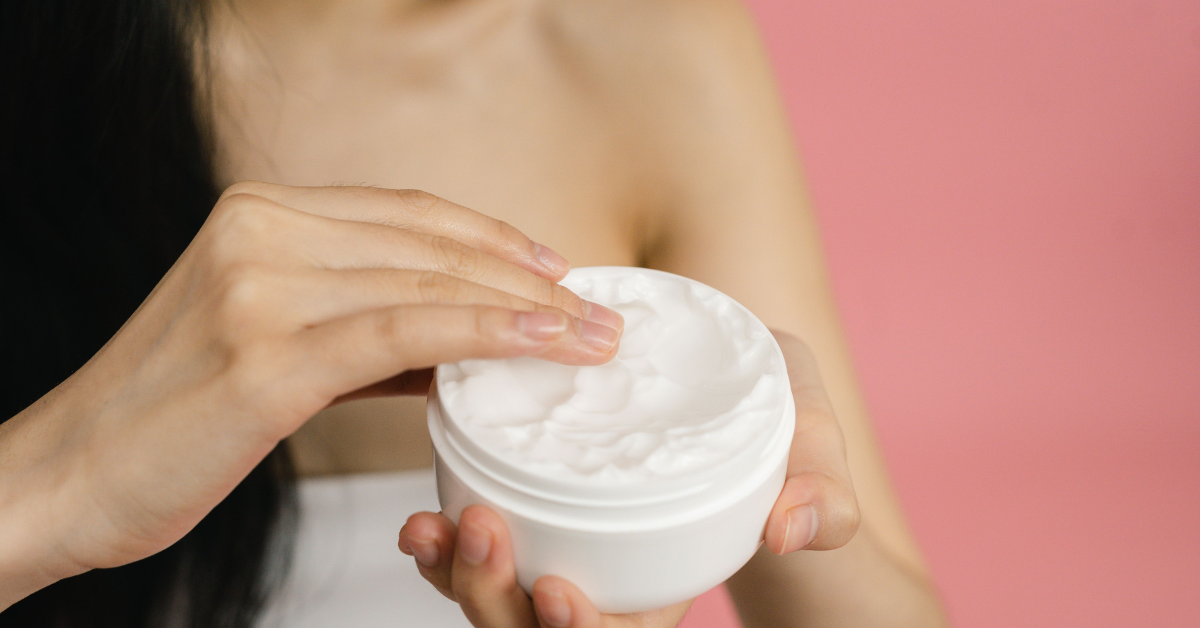
Cream for dry scalp is a moisturizing product formulated to help hydrate the skin on the scalp. It is generally thicker than a scalp lotion or serum and can be useful when the scalp feels particularly dry.
Depending on the formula, scalp creams may contain moisturizing ingredients such as glycerin, ceramides, panthenol, aloe vera, or other skin-conditioning ingredients.
A good scalp cream should provide moisture without causing excessive buildup or making the hair feel unnecessarily greasy.
Because scalp skin can be sensitive, choosing a gentle formula is important.
What Causes a Dry Scalp?
Several everyday factors can contribute to scalp dryness.

Common causes include:
- Cold or dry weather
- Low humidity
- Frequent hair washing
- Very hot showers
- Harsh shampoos
- Excessive use of styling products
- Dry indoor air
- Sensitive skin
- Certain skin conditions
The American Academy of Dermatology notes that dry skin can become flaky and itchy, and recommends appropriate moisturizing as part of dry-skin care.
If your scalp remains dry despite changing your routine, the underlying cause may need professional evaluation.
If your scalp dryness is persistent or accompanied by itching and flaking, the American Academy of Dermatology’s scalp-care guidance can help you understand when professional advice may be appropriate.
Benefits of Cream for Dry Scalp
1. Helps Restore Moisture
The main benefit of cream for dry scalp is hydration. A moisturizing formula can help reduce the tight, dry feeling caused by moisture loss.
2. Helps Soothe Dryness and Discomfort
A well-formulated cream may make the scalp feel softer and more comfortable, especially when dryness is caused by environmental factors.
3. May Reduce Dry Flaking
When flakes are caused primarily by dry skin, improving moisture levels may help make the flakes less noticeable.
However, flakes caused by dandruff or another scalp condition may require a different treatment.
4. Supports the Scalp’s Moisture Barrier
Moisturizing ingredients can help support the skin barrier and reduce excessive moisture loss.
This is especially useful for people whose scalp becomes dry after frequent shampooing.
5. Can Be Useful During Dry Weather
Cold temperatures and low humidity can make skin feel drier. Using cream for dry scalp as part of a gentle routine may help maintain scalp comfort during these periods.
6. Provides Targeted Moisture
A cream can be applied directly to particularly dry areas instead of covering the entire hair length.
This makes it useful when only certain areas of the scalp feel dry.
Keeping the scalp moisturized is also an important part of a healthy hair-care routine. For more practical tips, check out our guide on how to stop hair fall naturally.
Best Ingredients to Look For
When choosing cream for dry scalp, look for gentle moisturizing and soothing ingredients.
Glycerin
Glycerin is a humectant that helps attract and retain moisture.
Ceramides
Ceramides are skin-identical lipids that help support the skin barrier.
Panthenol
Panthenol, also known as provitamin B5, is commonly used in moisturizing and conditioning products.
Aloe Vera
Aloe vera is commonly included in soothing skincare and haircare products.
Hyaluronic Acid
Hyaluronic acid is a humectant that helps attract moisture.
Oat Extract
Oat-based ingredients can be useful in soothing skincare formulations.
Aloe vera is a popular soothing ingredient in hair care, and you can also learn about the benefits of combining aloe vera and castor oil for hair as part of a natural hair-care routine.
Ingredients to Avoid If You Have a Sensitive Scalp
Not every ingredient works for every person. If your scalp is sensitive, you may prefer products with minimal fragrance and fewer potential irritants.
Consider being cautious with:
- Strong fragrances
- High amounts of drying alcohol
- Excessive essential oils
- Harsh cleansing ingredients
- Ingredients that have previously caused irritation
Always check the full ingredient list before purchasing a new cream for dry scalp.
How to Use Cream for Dry Scalp
Using the product correctly is just as important as choosing the right formula.

Step 1: Wash Your Hair
Use a gentle shampoo appropriate for your scalp.
Step 2: Dry Gently
Pat your hair and scalp gently with a towel. Avoid vigorous rubbing.
Step 3: Part Your Hair
Create small sections so you can reach the scalp easily.
Step 4: Apply a Small Amount
Apply a small amount of cream for dry scalp directly to the dry areas.
Step 5: Massage Gently
Use your fingertips to massage the product into the scalp.
Avoid scratching with your fingernails.
Step 6: Leave It On
If the product is a leave-in treatment, allow it to remain on the scalp according to the product instructions.
Never assume a rinse-off product can be left overnight.
How Often Should You Use It?
The ideal frequency depends on the product and your scalp.
For mild dryness, you may only need it a few times a week.
If your scalp is very dry, the product instructions may recommend more frequent application.
Always follow the manufacturer’s directions rather than applying a thick layer every day.
More product does not necessarily mean better results.
Cream vs Scalp Lotion
Both products can moisturize the scalp, but their textures are different.
| Cream | Scalp Lotion |
|---|---|
| Thicker texture | Lighter texture |
| More moisturizing feel | Quick absorption |
| Better for very dry areas | Convenient for regular use |
| May feel heavier | Usually less greasy |
| Good for targeted application | Easy to spread |
If your scalp is mildly dry, a lightweight lotion may be enough. For particularly dry areas, a cream may provide a richer moisturizing feel.
Honest Review
Our honest view is that cream for dry scalp can be useful when dryness is the main problem.
The biggest advantage is targeted moisture. Instead of applying heavy hair oil all over the scalp, a purpose-designed cream can provide hydration directly where it is needed.
What We Like
- Provides targeted moisture
- Useful for very dry areas
- Can help improve scalp comfort
- Easy to incorporate into a hair routine
- Some formulas are lightweight despite being creams
Things to Consider
- Heavy creams may cause buildup
- Some formulas may make hair look greasy
- Fragrance can irritate sensitive scalps
- It may not treat dandruff or scalp diseases
Overall Rating
⭐⭐⭐⭐☆ 4.5/5
For mild dryness, a suitable scalp cream can be a useful addition to a gentle scalp-care routine.
Pros and Cons
| Pros | Cons |
|---|---|
| Helps moisturize dry scalp | May feel heavy on some hair types |
| Easy targeted application | Can cause buildup if overused |
| Useful for dry patches | Not suitable for every scalp condition |
| May improve scalp comfort | Some formulas contain fragrance |
| Can complement a gentle routine | Results vary between individuals |
Who Should Use It?
A cream for dry scalp may be worth considering if you experience:
- Scalp tightness
- Dryness after shampooing
- Mild dry flakes
- Dry patches
- Seasonal scalp dryness
- Discomfort caused by low humidity
Who Should Avoid It?
Do not rely on a moisturizing cream alone if you have:
- Severe redness
- Thick scales
- Open sores
- Significant swelling
- Persistent pain
- Signs of infection
- Severe or ongoing itching
These symptoms can have different causes and may require professional diagnosis.
Tips for Better Results
For healthier scalp care:
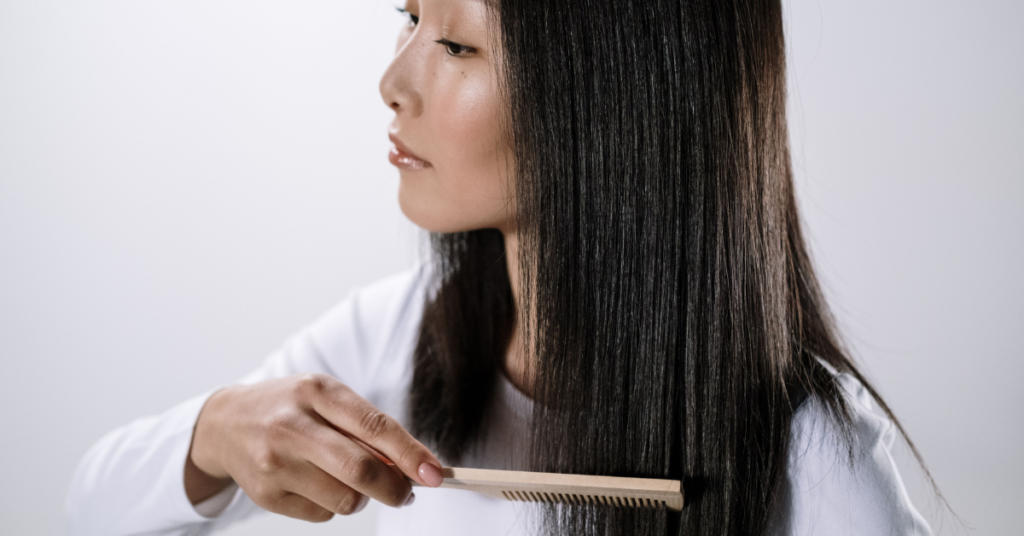
- Use lukewarm rather than very hot water.
- Avoid washing your scalp unnecessarily often.
- Choose a gentle shampoo.
- Avoid scratching.
- Apply moisturizer according to product instructions.
- Avoid excessive heat styling.
- Protect your scalp from very dry weather.
- Introduce new products one at a time.
The American Academy of Dermatology recommends appropriate scalp care and notes that persistent scalp symptoms can sometimes indicate an underlying condition rather than simple dryness.
Common Mistakes to Avoid
Applying Too Much Product
A small amount may be enough. Too much cream can make the scalp greasy and cause buildup.
Applying It to Dirty, Product-Heavy Hair
Excessive buildup can make it difficult for a moisturizer to feel comfortable on the scalp.
Scratching the Scalp
Scratching can further irritate already dry skin.
Using Regular Face or Body Cream Without Checking
Not every moisturizer is designed for scalp use. Check the product directions before applying it.
Confusing Dry Scalp With Dandruff
This is an important mistake to avoid. Dandruff may need a different approach, including shampoos containing specific active ingredients.
Extra Information
Choosing the right cream for dry scalp is only one part of maintaining a comfortable scalp. Your shampoo, washing frequency, water temperature, styling habits, and environment can all affect scalp dryness.
If your scalp remains dry despite using gentle products, or if you develop persistent itching, redness, thick scaling, pain, or hair loss, it is worth speaking with a dermatologist. AAD resources note that persistent dry or itchy scalp symptoms can sometimes be related to conditions such as dandruff, eczema, or psoriasis.
Conclusion
Cream for dry scalp can be a simple and practical way to add targeted moisture to a dry scalp. A well-formulated product containing ingredients such as glycerin, ceramides, panthenol, aloe vera, or oat-based ingredients may help improve scalp comfort and reduce the feeling of dryness.
However, a scalp cream is not a universal treatment for every type of flaking or itching. If your symptoms are persistent or severe, identifying the underlying cause is more important than simply adding more moisturizer.
For everyday dryness, choose a gentle product, apply a small amount directly to dry areas, and follow the manufacturer’s instructions. With a consistent and gentle hair-care routine, you can support a more comfortable and healthier-looking scalp.
About the Author
Richeya is the founder and content writer of WeCareForYou, where she shares practical and informative guides about hair care, scalp health, natural remedies, and beauty. Her goal is to create easy-to-understand content that helps readers make informed choices and build simple, healthy hair-care routines.