Shikakai soap is becoming popular among people who prefer traditional and plant-based hair and body care products. Shikakai, often called a natural hair cleanser, has been used in Indian hair-care routines for generations. It is made from the pods of Acacia concinna, a plant traditionally used to cleanse and condition the hair.
Unlike conventional soaps and shampoos, shikakai-based products are often promoted as gentle alternatives for people who want a more natural cleansing routine. Depending on the formulation, shikakai soap may contain shikakai extract along with other botanical ingredients such as aloe vera, neem, coconut oil, or herbal extracts.
However, it is important to understand that not every shikakai soap is the same. A product designed for the body may not be suitable for the scalp or hair, and a bar containing shikakai extract does not automatically provide all the traditional benefits associated with using pure shikakai powder.
In this article, we’ll explore the potential benefits of shikakai soap, how to use it properly, ingredients to look for, possible drawbacks, and our honest review.
Table of Contents
What Is Shikakai Soap?
Shikakai soap is a cleansing bar that contains shikakai extract or powder as one of its ingredients. Shikakai has traditionally been used as a natural cleanser because its plant compounds include saponins, which can produce a mild cleansing effect.
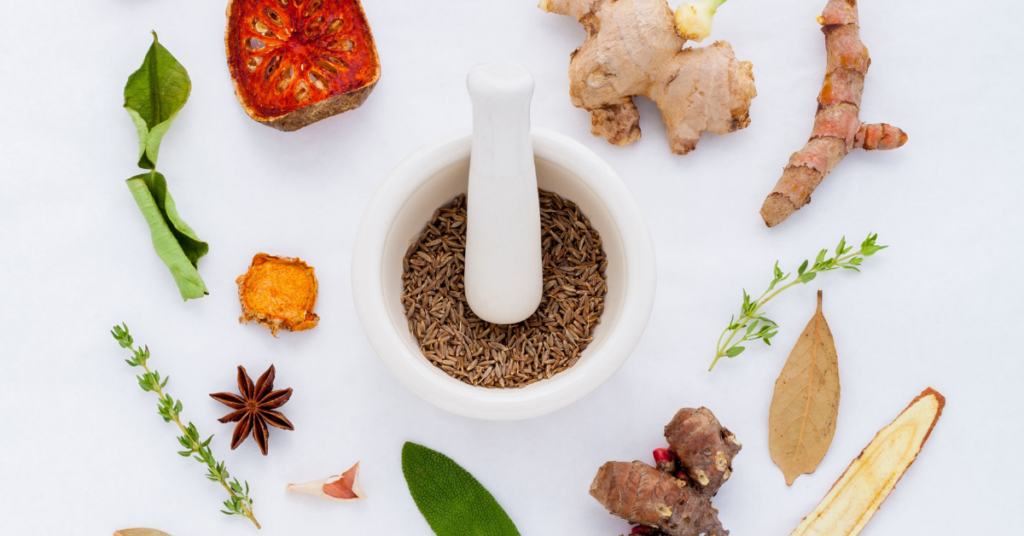
Commercial shikakai soaps may contain additional ingredients to improve fragrance, texture, cleansing, moisturizing, or skin feel.
Because formulations differ between brands, it is important to read the ingredient list rather than assuming that every product will provide the same benefits.
If you also enjoy traditional Indian herbs in your hair-care routine, you can explore our guide on natural leaves benefits for hair to learn more about its traditional uses and scalp-care benefits.
What Is Shikakai?
Shikakai comes from the plant Acacia concinna and has a long history in traditional Indian hair-care practices.
Traditionally, dried shikakai pods are powdered and mixed with water to create a natural hair cleanser. Many people use shikakai because it is associated with gentle cleansing and traditional scalp care.
Today, shikakai can be found in:
- Herbal shampoos
- Hair powders
- Hair masks
- Cleansing bars
- Hair oils
- Herbal hair-care products
The convenience of shikakai soap makes it appealing to people who don’t want to prepare traditional herbal powders themselves.
Benefits of Shikakai Soap
1. Gentle Cleansing
One of the main reasons people choose shikakai soap is its traditional cleansing properties.
Shikakai contains naturally occurring saponins, which can help cleanse away dirt and excess oil. However, the actual cleansing strength depends on the complete formulation of the soap.
A well-formulated product can be useful for people looking for a botanical-inspired cleansing option.
2. Traditional Hair-Care Ingredient
Shikakai has traditionally been used as a hair cleanser in Indian hair-care routines.
It is often associated with keeping hair clean and manageable. However, traditional use should not be confused with clinical evidence proving that shikakai can regrow hair or prevent hair loss.
For people interested in traditional beauty practices, shikakai soap can be an easy way to include this ingredient in their routine.
3. May Help Remove Excess Oil
If your scalp or skin becomes oily, cleansing is important for removing excess oil and buildup.
A shikakai-based cleanser may help remove surface oil, depending on the product formulation.
However, if your scalp is naturally dry, using a strong cleansing bar too frequently could make dryness worse.
4. Supports a Clean Scalp
A clean scalp is an important part of a healthy hair-care routine.
Regular cleansing can help remove sweat, dirt, excess oil, and styling-product residue. A suitable shikakai soap may provide cleansing as part of a broader scalp-care routine.
It should not, however, be considered a treatment for medical scalp conditions such as psoriasis, eczema, or persistent dandruff.
5. Botanical Hair-Care Option
For people who enjoy plant-based ingredients, shikakai is an attractive option.
Many shikakai products combine the ingredient with other botanicals, giving users an alternative to heavily fragranced or highly processed-feeling hair-care products.
Still, “natural” does not automatically mean irritation-free. Always check the complete ingredient list.
6. Convenient Alternative to Herbal Powder
Traditional shikakai powder can be messy and time-consuming to prepare.
A shikakai soap or cleansing bar can be easier to store, carry, and use.
This makes it particularly convenient for people who enjoy traditional ingredients but prefer a simple modern routine.
Ingredients to Look For
When choosing a shikakai product, look for a formulation containing:
- Shikakai extract
- Aloe vera
- Coconut oil
- Neem
- Hibiscus
- Glycerin
- Plant-based moisturizing ingredients
The most important factor is the overall formulation rather than simply seeing the word “shikakai” on the label.
Ingredients to Be Careful With
If you have sensitive skin or scalp, be careful with products containing:
- Strong fragrance
- Excessive essential oils
- Harsh cleansing agents
- High amounts of drying alcohol
- Ingredients that have previously caused irritation
Always read the product label before purchasing.
How to Use Shikakai Soap
The correct method depends on whether the product is intended for the body, hair, or both.

Step 1: Wet Your Hair or Skin
Use lukewarm water rather than very hot water.
Step 2: Create a Light Lather
Rub the soap between wet hands or gently apply it as directed by the manufacturer.
Step 3: Apply Gently
If the product is specifically labeled for scalp or hair use, gently massage the lather into your scalp.
Avoid aggressive rubbing.
Step 4: Rinse Thoroughly
Wash away the product completely with clean water.
Step 5: Condition Your Hair
If your hair feels dry after cleansing, use a suitable conditioner on the hair lengths.
Important: If the product is labeled only as a body soap, do not assume it is suitable for your scalp or hair.
Can You Use Shikakai Soap on Hair?
This depends entirely on the product formulation.
Some products are specifically marketed as hair or scalp cleansers, while others are intended only for the body.
Before using shikakai soap on your hair, check the packaging for its intended use.
A traditional shikakai powder preparation and a commercial soap bar are not identical products.
How Often Should You Use It?
There is no universal frequency.
If your product is intended for hair, follow the manufacturer’s instructions. If your scalp becomes dry, tight, itchy, or irritated after use, reduce the frequency or discontinue it.
People with dry or sensitive scalps may prefer a mild moisturizing shampoo instead of a cleansing bar.
Shikakai Soap vs Shikakai Powder
| Shikakai Soap | Shikakai Powder |
|---|---|
| Convenient to use | Traditional preparation |
| Easy to store | Requires mixing |
| Ready-made formulation | Usually a simpler ingredient |
| May contain additional ingredients | Usually more concentrated in shikakai |
| Less preparation time | Can be messy |
| Formulation varies by brand | Ingredient is easier to identify |
Both options can fit into a natural hair-care routine, but they provide different experiences.
Honest Review
Our honest view of shikakai soap is that it can be an interesting option for people who enjoy traditional Indian ingredients and convenient herbal products.
The biggest advantage is convenience. You get a traditional ingredient in an easy-to-use format without preparing shikakai powder yourself.
However, we would not recommend choosing a product simply because it says “shikakai.” The complete ingredient list, intended use, and your own scalp or skin type matter much more.
What We Like
- Traditional Indian hair-care ingredient
- Convenient to use
- Easy to store
- Can provide cleansing
- Suitable for people interested in botanical products.
Things to Consider
- Not every shikakai soap is designed for hair
- Some formulas may be drying
- Fragrance may irritate sensitive skin
- Traditional benefits are not the same as proven medical treatments
- Results vary between individuals
Pros and Cons
| Pros | Cons |
|---|---|
| Traditional herbal ingredient | Formulations vary |
| Convenient | Some products may be drying |
| Easy to use | Not every bar is suitable for hair |
| May cleanse excess oil | May not suit sensitive scalps |
| Easy to store | Not a proven hair-loss treatment |
Who Should Use It?
Shikakai soap may be worth considering if you:
- Enjoy traditional Indian hair-care ingredients
- Prefer botanical-based products
- Want a convenient cleansing product
- Have normal or oily hair or skin
- Prefer simple hair-care routines
Always check whether the specific product is designed for hair or body use.
Who Should Avoid It?
Be cautious if you have:
- A very sensitive scalp
- Open wounds
- Severe scalp irritation
- Known allergies to any ingredients
- Persistent redness or inflammation
For additional information about healthy hair-care habits, you can also follow the American Academy of Dermatology’s healthy hair-care tips.If you experience burning, swelling, rash, or severe itching after using a product, stop using it.
If hair fall is your main concern, our guide on how to stop hair fall naturally offers additional practical tips for building a gentle hair-care routine.
Common Mistakes to Avoid
Using Any Shikakai Soap on Hair
Not every bar is formulated for scalp or hair use.
Overusing It
Frequent cleansing can make some scalps feel dry.
Scrubbing Aggressively
Your scalp should be massaged gently rather than scratched.
Expecting Hair Growth
Shikakai is traditionally used for cleansing, but that does not mean it is clinically proven to regrow hair.
Ignoring the Ingredient List
Always check the complete formulation before purchasing.
Frequently Asked Questions
Is shikakai soap good for hair?
It can be useful if the product is specifically formulated for hair and suits your scalp. Always check the label before using it.
Can I use shikakai soap every day?
It depends on the formulation and your scalp type. Daily use may be too cleansing for some people, so follow the product instructions.
Can shikakai soap reduce hair fall?
There is not enough evidence to claim that shikakai soap directly stops hair loss. Hair fall can have many different causes.
Is shikakai better than shampoo?
Not necessarily. Shikakai soap and shampoo have different formulations. The best choice depends on your scalp, hair type, and the ingredients in the product.
Is shikakai suitable for dry scalp?
Some shikakai products may be too cleansing for a dry scalp. If your scalp is already dry, choose a gentle, moisturizing formulation
Can shikakai soap help with dandruff?
It may cleanse the scalp, but it should not be considered a proven treatment for dandruff. Persistent dandruff may require a shampoo containing an appropriate active ingredient.
Extra Information
When choosing shikakai soap, remember that the ingredient alone does not determine whether the product is suitable for you. The full formulation, cleansing strength, fragrance, and intended use all matter.
If your main concern is hair fall, severe dandruff, persistent itching, or scalp inflammation, a cosmetic cleansing product may not address the underlying cause. In these situations, professional evaluation can be more useful than trying multiple herbal products.
For everyday hair care, focus on gentle cleansing, suitable conditioning, avoiding excessive heat, and handling your hair carefully. For additional information about healthy hair-care habits, you can also follow the American Academy of Dermatology’s healthy hair-care tips.
Conclusion
Shikakai soap can be a convenient way to include a traditional Indian botanical ingredient in your personal-care routine. Shikakai has a long history of traditional use as a hair cleanser, and its naturally occurring compounds contribute to its cleansing properties.
However, not every shikakai soap is designed for hair or scalp use. Always check the product label, read the ingredient list, and choose a formula that suits your scalp and hair type.
Most importantly, don’t expect shikakai soap to act as a treatment for hair loss or medical scalp conditions. Think of it as a traditional cleansing option, not a miracle hair-growth solution.
With the right product and a gentle routine, shikakai can be an enjoyable addition to your natural hair-care habits.
About the Author
Richeya is the founder and content writer of WeCareForYou, where she shares practical and informative guides about hair care, scalp health, natural remedies, and beauty. Her goal is to create easy-to-understand content that helps readers make informed choices and build simple, healthy hair-care routines.