Understanding the difference between face cream and moisturizer can help you choose a skincare product that suits your skin type and daily routine. Choosing the right skincare product can sometimes be confusing, especially when you see products labelled as face creams, moisturizers, lotions, and hydrating creams. Many people wonder about the difference between face cream and moisturizer and whether they need to use both in their daily skincare routine.
The simple answer is that a face cream is a type of skincare product, while a moisturizer is a product designed to help keep the skin hydrated and reduce moisture loss. Many face creams are moisturizers, so the terms can overlap.
Understanding their textures, ingredients, and intended uses can help you choose the right product for your skin type without spending money on unnecessary skincare products.
Table of Contents
What Is a Face Cream?
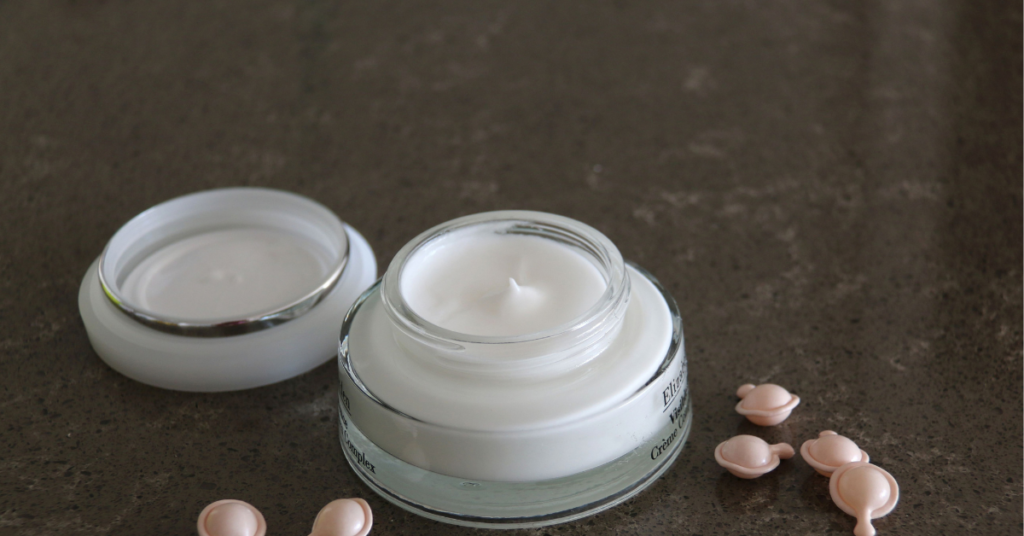
A face cream is a skincare product formulated specifically for facial skin. Many face creams have a rich or creamy texture and contain ingredients that help soften the skin and reduce moisture loss.
Depending on the formula, a face cream may focus on hydration, barrier support, skin softness, or other skincare goals.
Common ingredients found in face creams include:
- Glycerin
- Ceramides
- Hyaluronic acid
- Shea butter
- Squalane
- Various plant oils and emollients
Not every face cream contains the same ingredients. Some are lightweight, while others are thicker and richer.
A face cream labelled for anti-ageing, brightening, or sensitive skin may also contain additional ingredients designed for those specific purposes. The product’s formulation matters more than the word “cream” alone.
What Is a Moisturizer?
A moisturizer is a skincare product designed to help maintain skin hydration and reduce moisture loss. Moisturizers are available in several forms, including creams, lotions, gels, and ointments.
They may contain three main types of moisturizing ingredients.
1. Humectants
Humectants help attract water into the outer layers of the skin.
Examples include glycerin and hyaluronic acid.
2. Emollients
Emollients help soften the skin and improve its feel by filling spaces between skin cells.
Examples include squalane and certain plant oils.
3. Occlusives
Occlusive ingredients form a protective layer that helps reduce water loss from the skin.
Examples include petrolatum and certain waxes or oils.
Many moisturizers combine these ingredient types to support hydration and skin-barrier function.
The American Academy of Dermatology explains that moisturizers come in different forms, including lotions, gels, creams, and ointments, and recommends choosing a product according to your skin type and dryness level. AAD explains the differences between moisturizer textures and how to choose one for your skin type.
Difference Between Face Cream and Moisturizer
Although these terms are often used interchangeably, there are some useful distinctions.
| Feature | Face Cream | Moisturizer |
|---|---|---|
| Meaning | A cream-form skincare product for the face | A product designed to moisturize the skin |
| Texture | Often creamy; can be light or rich | Can be a cream, lotion, gel, or ointment |
| Main purpose | Depends on the product formulation | Helps maintain hydration and reduce moisture loss |
| Skin types | Depends on the formula | Options are available for different skin types |
| Ingredients | May contain moisturizing and other skincare ingredients | Often contains humectants, emollients, occlusives, or a combination |
| Daily use | Depends on the product instructions | Many moisturizers are designed for daily use |
The key difference: a face cream describes the product’s form, while moisturizer describes its function. A face cream can itself be a moisturizer.
Is Face Cream the Same as Moisturizer?
The main difference between face cream and moisturizer is that face cream describes a product’s form, while moisturizer describes its skin-hydrating purpose. Not always, but there is considerable overlap.
A product sold as a face cream is often intended to moisturize the skin. However, some face creams also contain ingredients aimed at other skincare concerns.
Likewise, a moisturizer does not have to be a thick cream. It can be a lightweight lotion or gel.
For example, someone with oily skin may prefer a lightweight moisturizing gel, while someone with dry skin may feel more comfortable using a richer face cream.
Instead of choosing a product based only on its name, check the ingredient list, intended use, and texture.
Which Is Better for Your Skin Type?
The best choice depends on your skin type, the weather, and how your skin feels.
1. Dry Skin
Dry skin may benefit from a richer cream moisturizer containing ingredients such as ceramides, glycerin, or petrolatum.
These ingredients can help support the skin barrier and reduce moisture loss.
If your skin feels tight or rough after cleansing, a richer moisturizer may be worth considering. If you often experience dry or tight skin, read our guide on How to Hydrate Dry Skin Naturally for simple ways to support skin hydration and maintain a comfortable skincare routine.
2. Oily Skin
Oily skin can still become dehydrated and may benefit from a moisturizer.
Look for a lightweight lotion or gel-cream that feels comfortable and is labelled non-comedogenic if you are concerned about clogged pores.
Avoid assuming that oily skin never needs moisturizer.
3. Combination Skin
Combination skin may benefit from a lightweight moisturizer across the face, with a richer product applied to particularly dry areas if needed.
Choose a texture that feels comfortable rather than using several products unnecessarily.
4. Sensitive Skin
If your skin is sensitive, consider a simple fragrance-free moisturizer.
Introduce new products one at a time and stop using a product if it causes persistent burning, itching, or redness.
5. Normal Skin
Normal skin generally benefits from a moisturizer that maintains comfort without feeling too heavy.
A lightweight cream or lotion may be sufficient, depending on personal preference and climate.
Can You Use Face Cream and Moisturizer Together?
In most cases, you do not need to use both if your face cream already provides adequate moisturizing benefits.
Using multiple products with similar purposes may add unnecessary steps to your routine.
However, if you use a separate treatment cream for a specific skin concern, you may still need a moisturizer. Follow the instructions for the treatment and the advice of your healthcare professional when applicable.
A simple morning routine can look like this:
- Gentle cleanser
- Treatment or serum, if needed
- Moisturizer or moisturizing face cream
- Broad-spectrum sunscreen with SPF 30 or higher
At night, cleanse your face and apply any suitable treatment followed by moisturizer.
How to Choose the Right Face Cream or Moisturizer
Before buying a skincare product, consider the following factors.

Check Your Skin Type
Determine whether your skin is dry, oily, combination, or sensitive. Your skin type can help guide your choice of texture.
Read the Ingredient List
Look for ingredients suited to your needs. For example, glycerin and hyaluronic acid are humectants, while ceramides can support the skin barrier.
Consider the Texture
A rich cream may feel comfortable on dry skin, while a lightweight lotion or gel may be more suitable for people who dislike a heavy finish.
Look for Fragrance-Free Options if Needed
Fragrance can irritate some people, particularly those with sensitive skin. A fragrance-free product may be a better starting point if you often experience irritation.
Avoid Unnecessary Products
You do not need an expensive product or a complicated routine to maintain healthy-looking skin. A gentle cleanser, suitable moisturizer, and sunscreen can provide a practical foundation. Choosing products according to your skin type can make skincare simpler. Explore our guide on How to Create a Personalized Skincare Routine to learn how to build a routine that suits your individual needs.
Common Mistakes to Avoid
Choosing a Product Only by Its Name
The words “cream” and “moisturizer” do not tell you everything about the formula. Check the ingredients and intended use.
Skipping Moisturizer Because Your Skin Is Oily
Oily skin may still benefit from hydration. Choose a suitable lightweight formula.
Applying Too Many Products
Using several creams with overlapping purposes can make your routine complicated and may increase the risk of irritation.
Expecting Moisturizer to Treat Every Skin Problem
Moisturizers help support hydration and skin-barrier function, but they are not a treatment for every skin condition.
Persistent rashes, severe irritation, or other ongoing symptoms may require professional advice.
Honest Review: Face Cream vs Moisturizer
Neither face cream nor moisturizer is automatically better. The right choice depends on the product’s purpose and formulation.
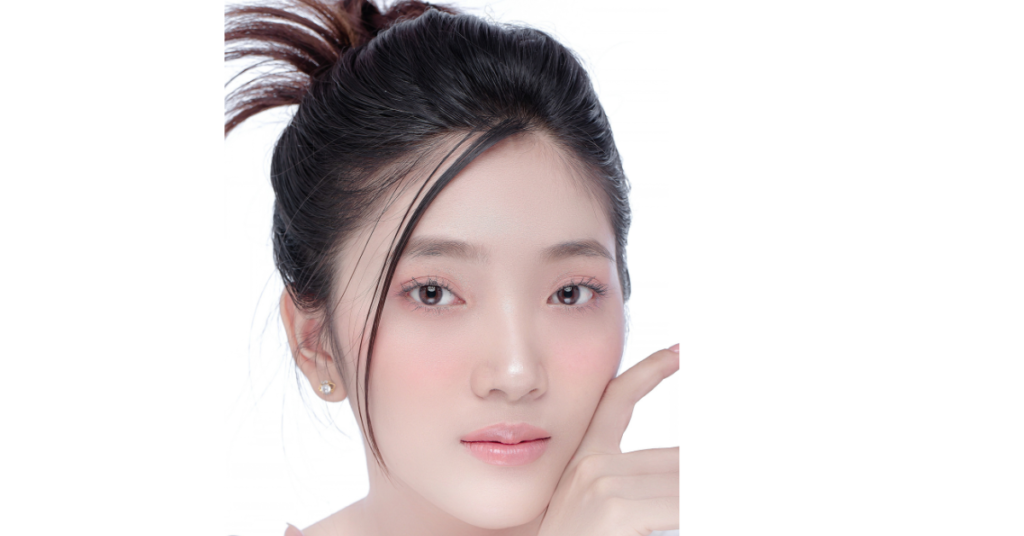
If your main concern is dryness, a richer face cream containing suitable moisturizing ingredients may be helpful. If you prefer a lightweight texture, a lotion or gel moisturizer may be more comfortable.
Many products perform both roles, meaning you may not need separate products.
The most useful approach is to choose a product that suits your skin, use it consistently according to its instructions, and keep your routine simple.
Frequently Asked Questions
Is face cream better than moisturizer?
Neither is automatically better. A face cream can be a moisturizer, and the best product depends on its ingredients, texture, and your skin’s needs.
Should I apply face cream before moisturizer?
If your face cream is already your moisturizer, you generally do not need another moisturizing product. If you use multiple products, follow their instructions and keep the routine simple.
Can I use moisturizer instead of face cream?
Yes, if your moisturizer provides the hydration your skin needs and is suitable for your face.
Is moisturizer necessary for oily skin?
Many people with oily skin can benefit from a suitable moisturizer. A lightweight, non-comedogenic formula may be a comfortable option.
What is better for dry skin: face cream or moisturizer?
A rich moisturizing cream may be a suitable choice for dry skin. Look for ingredients that support hydration and reduce moisture loss.
Can I use face cream every day?
Many face creams are designed for daily use. Check the label and stop using the product if it causes irritation.
Final Thoughts
Knowing the difference between face cream and moisturizer makes it easier to choose the right product without adding unnecessary steps to your skincare routine. Understanding the difference between face cream and moisturizer makes choosing skincare products easier.
A face cream describes a type of product, while a moisturizer describes its purpose. Many face creams are moisturizers, and moisturizers are also available as lotions, gels, and ointments.
Choose a product based on your skin type, ingredient needs, and preferred texture rather than its name alone. A simple routine with gentle cleansing, suitable moisturizing, and daily sunscreen can help support comfortable, healthy-looking skin.
About the Author
Richeyaa is the author of WeCareForYou, sharing practical and easy-to-understand hair-care, skincare, and wellness information. Her content focuses on simple routines, realistic expectations, and helpful everyday self-care guidance.