Neem and aloe vera are two popular natural ingredients used in traditional skincare and hair-care routines. Neem is commonly known for its traditional cleansing and scalp-care uses, while aloe vera is valued for its soothing and moisturizing properties.
Combining neem and aloe vera can be an appealing option for people who prefer simple, plant-based hair-care routines. Neem may support scalp cleansing, while aloe vera gel can help provide moisture and comfort to the scalp and hair.
However, natural ingredients do not work the same way for everyone. There is limited strong clinical evidence showing that neem and aloe vera can guarantee hair growth or permanently stop hair fall. Therefore, they are best considered supportive hair-care ingredients rather than medical treatments.
Table of Contents
What Are Neem and Aloe Vera?
What Is Neem?
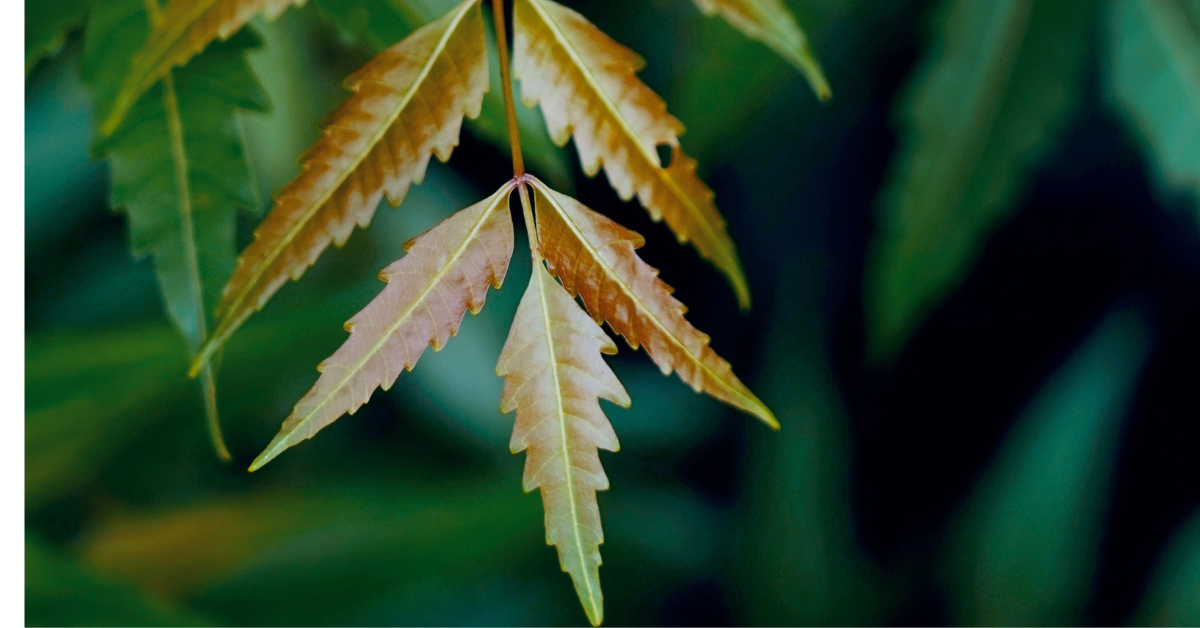
Neem (Azadirachta indica) is a traditional plant widely used in Indian herbal practices. Neem leaves and extracts are commonly included in cleansing and personal-care preparations.
Neem has been studied for its antioxidant and antimicrobial properties. However, laboratory findings do not automatically prove that applying neem to the scalp will treat dandruff, hair loss, or other scalp conditions.
Neem oil and concentrated neem preparations may also cause skin irritation or allergic contact dermatitis in some people.
What Is Aloe Vera?
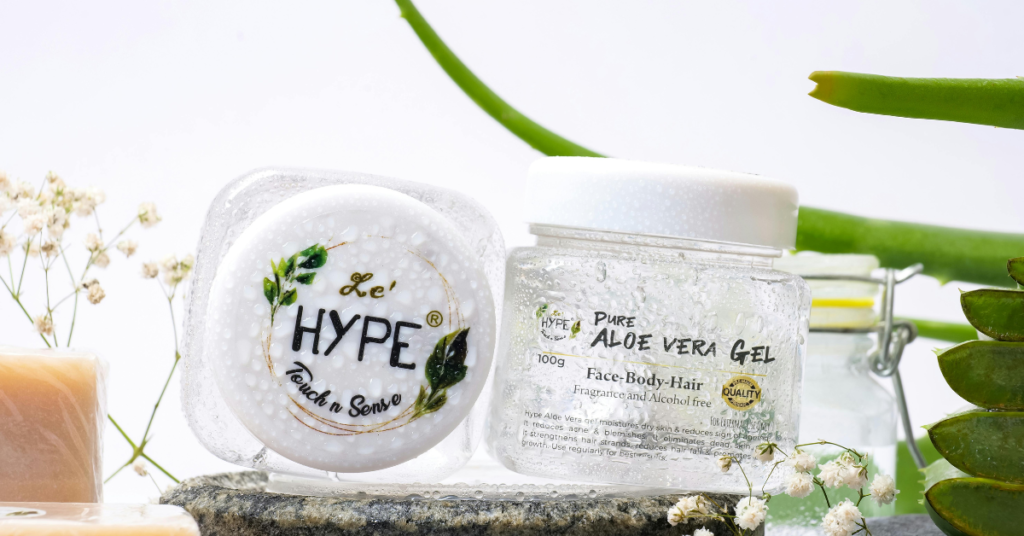
Aloe vera (Aloe vera) is a succulent plant containing a gel inside its leaves. The gel is commonly used in skincare and personal-care products because of its moisturizing and soothing properties.
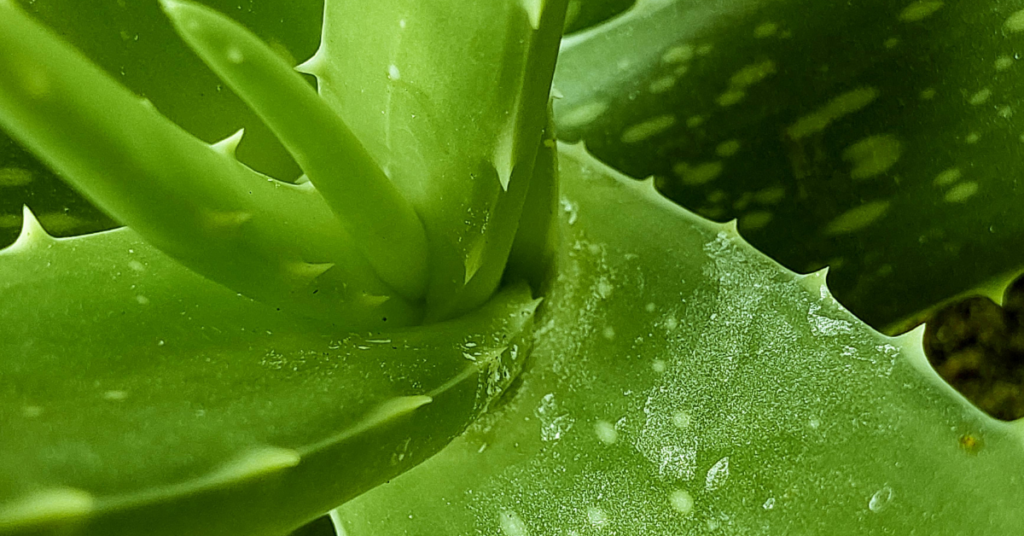
Topical aloe vera gel is generally well tolerated by many people, but some individuals may experience itching, burning, rash, or irritation. The inner gel and the yellow latex found near the outer leaf are different parts and should not be treated as interchangeable.
Neem and Aloe Vera Benefits for Hair
1. May Support Scalp Cleansing
Neem is traditionally used in scalp-care preparations because of its cleansing and antimicrobial properties.
A properly formulated neem-based product may be useful as part of a scalp-care routine. However, neem should not automatically be considered a treatment for fungal infections, dandruff, or other medical scalp conditions.
For persistent scalp problems, a dermatologist can recommend an appropriate treatment. If you are interested in exploring aloe vera in combination with another popular hair-care ingredient, read our guide on Aloe Vera and Castor Oil for Hair for practical tips and traditional uses.
2. Aloe Vera May Help Moisturize the Scalp
Aloe vera gel contains water and other plant compounds that may help provide temporary hydration and soothing comfort.
People with mild scalp dryness may find aloe vera-based products comfortable. However, results vary depending on the formulation, skin sensitivity, and the cause of dryness.
Aloe vera should not be used as a replacement for medical treatment when the scalp has persistent inflammation or an underlying skin condition.
3. Can Help Hair Feel Softer
Aloe vera may help improve the feel of dry hair by providing moisture and reducing a rough sensation.
When combined with a suitable hair-care routine, it may help hair feel smoother and easier to manage. This does not mean that aloe vera can repair all types of hair damage or permanently strengthen the hair shaft.
Using a conditioner suitable for your hair type can also help improve manageability.
4. Provides Traditional Plant-Based Hair Care
Neem and aloe vera are familiar ingredients in many traditional and commercial herbal hair-care products.
People who enjoy natural ingredients may choose a preparation containing both ingredients. The final result depends on the concentration, additional ingredients, preparation method, and how well the product suits the individual.
Traditional use can provide a reason to explore an ingredient, but it does not by itself establish clinical effectiveness. If you enjoy traditional herbal ingredients, you can also explore our guide on Tulsi Leaves Benefits for Hair to learn about its traditional uses and application methods.
5. May Support a Simple Scalp-Care Routine
Aloe vera can provide a soothing sensation for some people, while neem is traditionally used in cleansing preparations.
Together, they may be included in a simple routine involving gentle cleansing, suitable conditioning, and avoiding excessive heat or harsh hair treatments.
The combination should be used according to the product instructions and your scalp’s response.
6. Contains Plant Compounds with Antioxidant Properties
Both neem and aloe vera contain various plant compounds that have been studied for antioxidant activity.
Antioxidants are important in biological research, but laboratory antioxidant activity does not necessarily translate into proven hair-growth benefits in humans.
Therefore, it is better to describe this combination as a traditional hair-care option rather than a scientifically established hair-growth treatment.
Neem and Aloe Vera for Different Hair Types
Dry Hair
Aloe vera may help hair feel moisturized, but neem-based cleansing products may feel drying for some people. Use the combination carefully and follow with a suitable conditioner if needed.
Oily Scalp
Neem is traditionally used in cleansing preparations and may appeal to people who prefer a fresh-feeling scalp. Avoid excessive cleansing because it may cause dryness or irritation.
Curly Hair
Curly hair can be more sensitive to dryness and tangling. Use gentle application methods and observe how your hair responds after rinsing.
Sensitive Scalp
People with sensitive skin should be especially cautious with neem, essential oils, fragrances, and homemade mixtures. A patch test may help identify some reactions, although it cannot guarantee that a product will not cause irritation.
Along with using suitable hair-care ingredients, following gentle hair-care practices can help maintain healthier-looking hair. The American Academy of Dermatology also recommends choosing suitable products and handling the hair gently.
How to Use Neem and Aloe Vera Hair Pack
A homemade hair pack can be prepared using a small amount of aloe vera gel and a mild neem-based ingredient. However, homemade mixtures can vary in concentration and hygiene.
Simple Method
- Use clean, suitable aloe vera gel.
- Add a small amount of properly prepared neem powder or a suitable commercial neem product.
- Mix into a smooth paste.
- Apply a small amount to the scalp or hair.
- Avoid contact with the eyes.
- Leave it on only for the time recommended by the product instructions.
- Rinse thoroughly with comfortable-temperature water.
- Stop using it if irritation occurs.
Avoid applying raw neem oil or highly concentrated neem extracts directly to the scalp without understanding their safety and suitability.
Can Neem and Aloe Vera Stop Hair Fall?
Neem and aloe vera should not be promoted as guaranteed solutions for hair fall.
Hair shedding can occur due to several reasons, including genetics, hormonal changes, stress, nutritional deficiencies, illness, medications, and scalp conditions.
Although these ingredients are used traditionally, strong clinical evidence is not sufficient to establish that neem and aloe vera can reliably prevent or reverse hair loss.
If you experience sudden, severe, patchy, or persistent hair loss, consult a dermatologist to identify the underlying cause.
Can Neem and Aloe Vera Promote Hair Growth?
There is not enough reliable human evidence to confirm that using neem and aloe vera together promotes faster hair growth.
Aloe vera may support scalp comfort and hair conditioning for some individuals. Neem has also been investigated for various biological properties. However, these observations should not be presented as proof of hair follicle stimulation or guaranteed regrowth.
A healthy hair-care routine can support the appearance and manageability of hair, but hair growth depends on several biological factors.
Precautions When Using Neem and Aloe Vera
Natural ingredients can still cause adverse reactions.
Keep the following precautions in mind:
- Perform a patch test before using a new preparation.
- Avoid applying the mixture to damaged or irritated skin.
- Do not use neem oil directly without suitable dilution and safety guidance.
- Avoid contact with the eyes.
- Do not leave homemade mixtures on the scalp for excessive periods.
- Stop using the product if you experience burning, itching, redness, or a rash.
- Use fresh homemade aloe vera preparations carefully and maintain good hygiene.
- Consult a healthcare professional for persistent scalp symptoms.
A published case report has described contact dermatitis following the use of neem oil on the scalp and face, so neem oil should not automatically be assumed to be safe for everyone.
Common Mistakes to Avoid
Using Too Much Neem
A stronger mixture does not necessarily provide better results. Excessive neem may increase the risk of irritation.
Applying Aloe Vera Without Testing
Even topical aloe vera can occasionally cause itching, burning, or skin reactions. Test the product before regular use.
Leaving the Hair Pack on Overnight
Longer application is not automatically more effective. Follow the instructions and avoid unnecessary prolonged contact.
Expecting Guaranteed Hair Growth
Neem and aloe vera are not proven treatments for all causes of hair loss. Avoid unrealistic claims.
Ignoring Scalp Symptoms
Persistent itching, redness, scaling, pain, or hair loss may indicate a condition that needs professional evaluation.
Honest Review of Neem and Aloe Vera
Neem and aloe vera can be interesting ingredients for people who enjoy traditional-inspired hair-care routines.
Aloe vera may offer a moisturizing or soothing feel, while neem is traditionally associated with cleansing and scalp care. However, the results depend on the preparation, hair type, skin sensitivity, and the cause of the scalp concern.
The combination has limitations. It should not be considered a proven cure for dandruff, hair fall, or hair-growth problems. Concentrated neem products may cause irritation, and aloe vera is not suitable for everyone.
Pros
- Traditional plant-based hair-care ingredients
- Aloe vera may support scalp moisture
- Neem is commonly used in cleansing preparations
- Can be included in a simple hair-care routine
- Available in commercial formulations
Cons
- May cause irritation or allergic reactions
- Homemade mixtures can vary in quality
- Neem oil may cause contact dermatitis
- Not a proven treatment for hair loss
- Results differ depending on hair and scalp type.
Frequently Asked Questions
Is neem and aloe vera good for hair?
Neem and aloe vera can be used as traditional-inspired hair-care ingredients. Aloe vera may support moisture and comfort, while neem is commonly used in cleansing preparations. Individual results vary.
Can I use neem and aloe vera every day?
Daily use is not necessary. The appropriate frequency depends on the product, your hair type, and your scalp’s response.
Can I use neem and aloe vera for dry scalp?
Aloe vera may help provide temporary moisture, but the cause of dryness matters. Neem-based products may not suit every dry or sensitive scalp.
Can neem and aloe vera reduce dandruff?
They should not be considered a proven dandruff treatment. Persistent dandruff may require a properly formulated product or professional medical advice.
Can neem and aloe vera grow new hair?
There is not enough strong human evidence to confirm that this combination reliably promotes new hair growth.
Final Thoughts
Neem and aloe vera are popular traditional-inspired ingredients that can be included in a simple hair-care routine. Aloe vera may help support scalp moisture and comfort, while neem is commonly used in cleansing and herbal preparations.
However, both ingredients should be used carefully. Natural products can cause irritation, and their traditional use does not guarantee hair growth or hair-loss prevention.
Choose suitable products, perform a patch test, follow safe application methods, and consult a dermatologist when scalp problems or hair loss persist.
About the Author
Richeyaa is the author of WeCareForYou, sharing practical and easy-to-understand hair-care and wellness information. Her content focuses on traditional ingredients, simple routines, honest guidance, and realistic expectations without unnecessary promises.