Shikakai hair oil is a traditional-inspired hair-care option for people who enjoy herbal ingredients in their regular hair routine. Shikakai has been used traditionally in Indian hair care, especially for cleansing the hair and supporting scalp care. Today, it is also combined with hair oils to create convenient herbal oil formulations.
Shikakai comes from Acacia concinna, a plant traditionally associated with Indian hair-care practices. While shikakai is well known as a natural cleanser, shikakai hair oil is a different type of product because it combines shikakai extracts with an oil base and sometimes other botanical ingredients.
Many people use herbal hair oils because they want to massage the scalp, condition the hair, and reduce the feeling of dryness. However, it is important to understand that shikakai hair oil is not a proven treatment for hair loss or guaranteed hair growth. Hair fall can have many causes, and persistent or sudden hair loss should be evaluated by a dermatologist.
In this article, we’ll explore the potential benefits of shikakai hair oil, ingredients to look for, how to use it, how it compares with traditional shikakai powder, possible drawbacks, and our honest review.
Table of Contents
What Is Shikakai Hair Oil?
Shikakai hair oil is an oil-based hair-care product that contains shikakai extract, powder, or another form of shikakai along with one or more carrier oils.
Depending on the formulation, it may contain oils such as:
- Coconut oil
- Sesame oil
- Almond oil
- Amla oil
- Castor oil
Some commercial formulas may also include herbs such as hibiscus, neem, brahmi, or fenugreek.
Because formulations differ considerably, checking the ingredient list is important before purchasing a product.
What Is Shikakai?
Shikakai is commonly associated with Acacia concinna, a plant traditionally used in Indian hair-care practices.
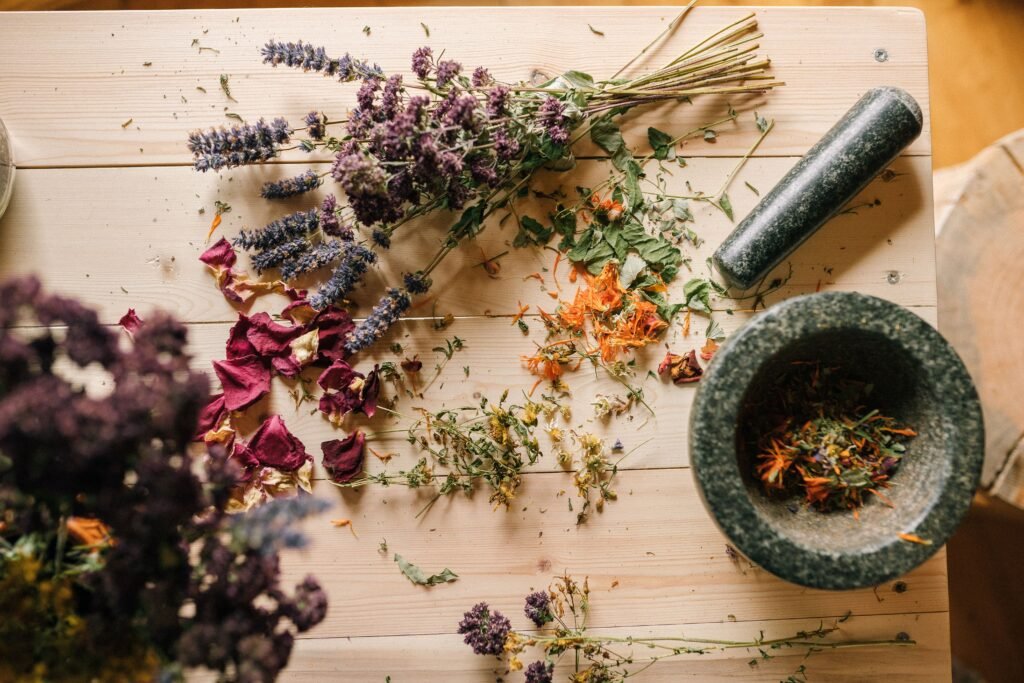
The dried pods have traditionally been powdered and mixed with water to create a cleansing preparation. Shikakai contains naturally occurring saponins, which contribute to its traditional use as a cleanser.
While shikakai is best known for cleansing, using it in an oil formulation provides a different experience. The oil mainly acts as a conditioning and massage medium rather than functioning like a traditional shikakai cleanser.
Benefits of Shikakai Hair Oil
1. Helps Condition the Hair
One of the practical benefits of shikakai hair oil is that the oil base can help condition the hair.
Applying an appropriate amount of oil before washing may make the hair feel softer and easier to manage.
The conditioning effect comes largely from the carrier oil, so the specific oil used in the formulation matters.
2. Supports Scalp Massage
Hair oiling is traditionally accompanied by a gentle scalp massage.
Massage can make an oiling routine relaxing and can help distribute the product evenly over the scalp. However, vigorous massage is unnecessary and may cause mechanical stress on fragile hair.
When using shikakai hair oil, use your fingertips gently rather than scratching with your nails.
3. May Help With Dry Hair
If your hair feels dry or rough, an oil-based product may help reduce the feeling of dryness by coating and conditioning the hair strands.
This can be especially useful for dry hair lengths and ends.
However, if your scalp is naturally oily, applying a large amount of oil directly to the scalp may feel heavy or contribute to buildup.
4. Supports a Traditional Hair-Care Routine
Shikakai has a long history in traditional Indian hair care. Combining shikakai with oils allows people to incorporate the ingredient into a familiar pre-wash oiling routine.
For people who enjoy traditional herbal hair care, this can be a convenient alternative to preparing homemade herbal mixtures.
5. May Improve Hair Manageability
Hair that is properly conditioned can feel smoother and easier to comb.
Using a suitable amount of shikakai hair oil before shampooing may help reduce the rough feeling associated with dry hair.
It should not, however, be viewed as a permanent solution for damaged hair.
6. Convenient Herbal Hair-Care Option
Traditional herbal preparations can require several ingredients and preparation steps.
A ready-made shikakai oil is much easier to use. You can simply apply the recommended amount, massage gently, and wash it out according to the product instructions. If you enjoy traditional herbal hair-care ingredients, you can also explore our guide on herbs Leaves Benefits for Hair to learn about its traditional uses and simple application methods.
Ingredients Commonly Found in Shikakai Hair Oil
When choosing shikakai hair oil, you may find ingredients such as:
Shikakai
The main traditional botanical ingredient.
Coconut Oil
Commonly used as a hair-conditioning oil.
Sesame Oil
Frequently used in traditional Indian oil preparations.
Amla
Often included in herbal hair oils.
Hibiscus
Another traditional hair-care ingredient.
Castor Oil
A thicker oil sometimes included in hair formulations.
Remember that the presence of an ingredient does not guarantee a specific result. The overall formulation and your individual hair type matter.
How to Use Shikakai Hair Oil
Using the oil correctly can make your routine more comfortable.
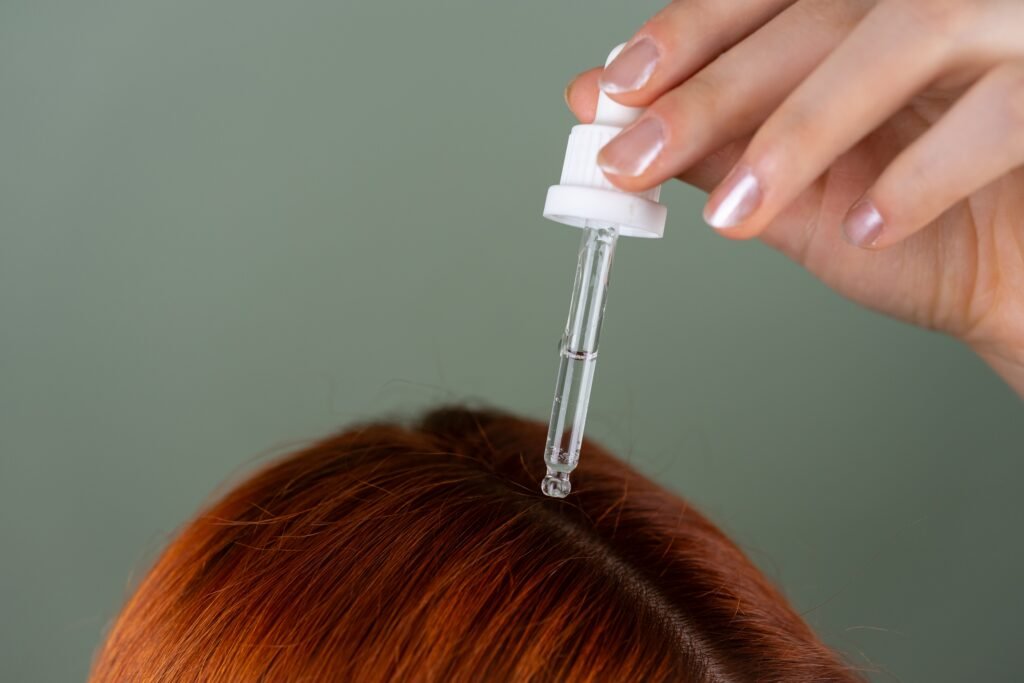
Step 1: Start With Dry Hair
You can apply the oil to dry hair unless the product instructions say otherwise.
Step 2: Section Your Hair
Divide your hair into several sections so that you can apply the oil evenly.
Step 3: Apply a Small Amount
Use a small amount of shikakai hair oil and distribute it over the scalp and hair lengths as appropriate.
Step 4: Massage Gently
Use your fingertips to massage the scalp for a few minutes.
Avoid aggressive rubbing.
Step 5: Leave It On
Allow the oil to remain according to the product instructions.
Step 6: Shampoo
Wash your hair with a gentle shampoo to remove the oil.
Step 7: Condition
Apply conditioner to the hair lengths if needed.
How Long Should You Leave It On?
There is no need to leave hair oil on for an entire day or overnight unless the product specifically recommends it.
For many pre-wash oiling routines, 30 minutes to a few hours can be sufficient.
Leaving oil on for longer does not necessarily produce better results. If your scalp becomes itchy or uncomfortable, wash it out.
How Often Should You Use It?
For most people, once or twice a week is a reasonable starting point.
If your hair is very dry, you may prefer regular oiling. If your scalp is oily or prone to buildup, using less oil and applying it mainly to the hair lengths may work better.
Always adjust the routine according to how your hair and scalp respond.
Shikakai Hair Oil vs Shikakai Powder
These two products are often confused, but they serve different purposes.
| Shikakai Hair Oil | Shikakai Powder |
|---|---|
| Oil-based | Powder-based |
| Mainly used for pre-wash conditioning | Traditionally used as a cleanser |
| Easy to apply | Requires preparation |
| Can help condition hair | Can cleanse hair |
| Usually combined with carrier oils | Usually mixed with water or another ingredient |
| Convenient for regular oiling | More traditional preparation |
If your main goal is cleansing, shikakai powder may be more relevant. If your goal is pre-wash oiling and conditioning, shikakai hair oil may be more convenient.
Honest Review
Our honest view of shikakai hair oil is that it can be a pleasant addition to a traditional hair-care routine, particularly for people who enjoy pre-wash oiling.

Its main practical benefit is likely to come from the oil base and the conditioning effect of oiling, while shikakai provides the traditional herbal element.
However, we would not recommend choosing it solely because of claims about hair growth or stopping hair fall. There is not enough evidence to treat shikakai hair oil as a clinically proven hair-loss treatment. If hair fall is your main concern, our guide on How to Stop Hair Fall Naturally covers practical hair-care habits and important tips without relying on unrealistic promises.
What We Like
- Traditional herbal ingredient
- Easy to incorporate into an oiling routine
- May help condition dry hair
- Convenient ready-made option
- Can make hair feel smoother and more manageable
Things to Consider
- Results vary between individuals
- Some oils may feel heavy
- Can cause buildup if overused
- Fragrance may irritate sensitive scalps
- Not a proven treatment for hair loss.
Pros and Cons
| Pros | Cons |
|---|---|
| Traditional herbal ingredient | Results vary |
| Easy to use | May feel greasy |
| Can condition dry hair | Can cause buildup |
| Convenient pre-wash treatment | May not suit oily scalps |
| Supports a traditional routine | Not a proven hair-loss treatment |
Who Should Use It?
Shikakai hair oil may be suitable for people who:
- Enjoy traditional Indian hair-care routines
- Have dry or rough hair
- Like pre-wash oiling
- Want a botanical-inspired hair product
- Prefer ready-made herbal formulations.
Who Should Avoid It?
Be cautious if you have:
- A very oily scalp
- Severe scalp irritation
- Open wounds
- A known allergy to any ingredient
- Persistent scalp inflammation
If you experience burning, swelling, severe itching, or a rash after application, stop using the product. For general hair-care guidance, the American Academy of Dermatology recommends choosing hair-care practices based on your hair type and being gentle with the hair and scalp.
Common Mistakes to Avoid
Using Too Much Oil
More oil does not necessarily mean better conditioning. Excess oil can make washing difficult and may leave buildup.
Massaging Too Aggressively
A gentle massage is enough. Avoid pulling or rubbing the hair forcefully.
Leaving Oil on for Too Long
Follow the product instructions rather than assuming overnight application is always better.
Expecting Hair Growth
Shikakai hair oil should not be treated as a guaranteed hair-growth product.
Ignoring the Ingredient List
Always check the full formulation, especially if you have sensitive skin.
Frequently Asked Questions
Is shikakai hair oil good for hair?
It can be a useful conditioning product, particularly as part of a pre-wash oiling routine. The benefits depend on the complete formulation and your hair type.
Can I use shikakai hair oil every day?
Daily oiling is not necessary for most people. Once or twice a week is a reasonable starting point, but follow the product instructions and your scalp’s needs.
Can shikakai hair oil stop hair fall?
There is not enough evidence to say that shikakai hair oil can stop hair loss. Hair fall can have many causes and may require professional evaluation.
Can I leave shikakai hair oil overnight?
You can only do so if the product instructions indicate that overnight use is appropriate. Longer application does not automatically mean better results.
Is shikakai hair oil better than shikakai powder?
Neither is universally better. Shikakai powder is traditionally used as a cleanser, while shikakai hair oil is generally used for oiling and conditioning.
Is shikakai hair oil suitable for dry hair?
It may be helpful for conditioning dry hair, especially the lengths and ends. However, choose a formulation that suits your individual hair type.
Extra Information
When choosing shikakai hair oil, look beyond the name on the bottle. Check the carrier oils, botanical ingredients, fragrance, and other components of the formulation.
If your primary concern is persistent hair fall, thinning, bald patches, or sudden shedding, don’t rely only on herbal oils. Hair loss can have several underlying causes, and identifying the cause is more useful than repeatedly changing hair products.
For everyday hair care, focus on gentle washing, suitable conditioning, careful detangling, limited heat exposure, and a balanced diet. If you want to explore another traditional way to include shikakai in your routine, read our guide to chemical-free shampoo, including its benefits, uses, and how to use it.
Conclusion
Shikakai hair oil can be a convenient way to combine a traditional Indian botanical ingredient with the conditioning benefits of hair oiling. It may help dry hair feel softer and more manageable while making a traditional hair-care routine easier to follow.
However, it is important to keep expectations realistic. Shikakai hair oil is not a proven cure for hair loss and should not replace professional treatment when persistent scalp or hair problems are present.
If you enjoy herbal hair care, start with a small amount once or twice a week and observe how your scalp and hair respond. Choose a well-formulated product, follow the manufacturer’s instructions, and maintain a gentle overall hair-care routine.
About the Author
Richeya is the founder and content writer of WeCareForYou, where she shares practical and informative guides about hair care, scalp health, natural remedies, and beauty. Her goal is to create easy-to-understand content that helps readers make informed choices and build simple, healthy hair-care routines.