Finding the right face moisturiser for very dry skin can make a noticeable difference to how comfortable your skin feels throughout the day. Very dry skin may feel tight, rough, flaky, or uncomfortable, especially after cleansing, during colder weather, or in environments with low humidity.
A suitable moisturiser helps maintain skin hydration and reduce moisture loss. Ingredients such as ceramides, glycerin, petrolatum, and hyaluronic acid can be helpful when choosing a product for very dry skin.
However, not every moisturiser works equally well for everyone. The best choice depends on your skin’s needs, the product’s formulation, and whether you have any underlying skin conditions. This guide explains what to look for, how to use a moisturiser, and how to build a simple routine for very dry skin.
Table of Contents
What Is Very Dry Skin?
Very dry skin occurs when the skin lacks sufficient moisture or struggles to retain it. It may feel tight, rough, flaky, or uncomfortable. Some people also notice fine cracks or increased sensitivity.
Common contributing factors include:
- Cold weather and low humidity
- Hot showers or frequent washing
- Harsh soaps and cleansers
- Fragranced skincare products
- Age-related changes in the skin
- Certain skin conditions, including eczema
If your skin is persistently very dry, painful, cracked, or inflamed, it is worth seeking advice from a dermatologist. Dryness can sometimes be a symptom of an underlying skin condition rather than simply a need for a richer moisturiser.
Why Is a Face Moisturiser Important for Very Dry Skin?
A suitable face moisturiser for very dry skin helps support the skin barrier, improve comfort, and reduce moisture loss.
The skin barrier is the outer protective layer of the skin. It helps retain water and protects the skin from external irritants. When this barrier is weakened, skin may become rough, flaky, and more sensitive.
Moisturisers can contain different types of ingredients that work together to support the skin.
1. Helps Maintain Skin Hydration
Humectants such as glycerin and hyaluronic acid attract and hold water in the outer layers of the skin. They are commonly included in moisturisers designed to improve hydration.
2. Helps Reduce Moisture Loss
Occlusive ingredients form a protective layer on the skin’s surface, helping reduce water loss. Petrolatum is a well-known example and may be useful in products designed for very dry skin.
3. Supports the Skin Barrier
Ceramides are lipids naturally found in the skin barrier. Moisturisers containing ceramides may help support barrier function and improve the feel of dry skin.
4. Helps Soften Rough Skin
Emollients help soften the skin and improve its texture. Ingredients such as squalane and certain plant oils can provide this benefit, depending on the formulation.
5. Improves Everyday Comfort
When skin is adequately moisturised, it may feel less tight and rough. Consistent moisturising can be especially helpful after washing the face or when environmental conditions contribute to dryness.
If your skin often feels tight, rough, or flaky, explore our guide on How to Hydrate Dry Skin Naturally for simple ways to support skin hydration and maintain a comfortable skincare routine.
Best Ingredients to Look for in a Face Moisturiser for Very Dry Skin
When selecting a face moisturiser for very dry skin, pay attention to the ingredient list rather than relying only on marketing claims.
Ceramides
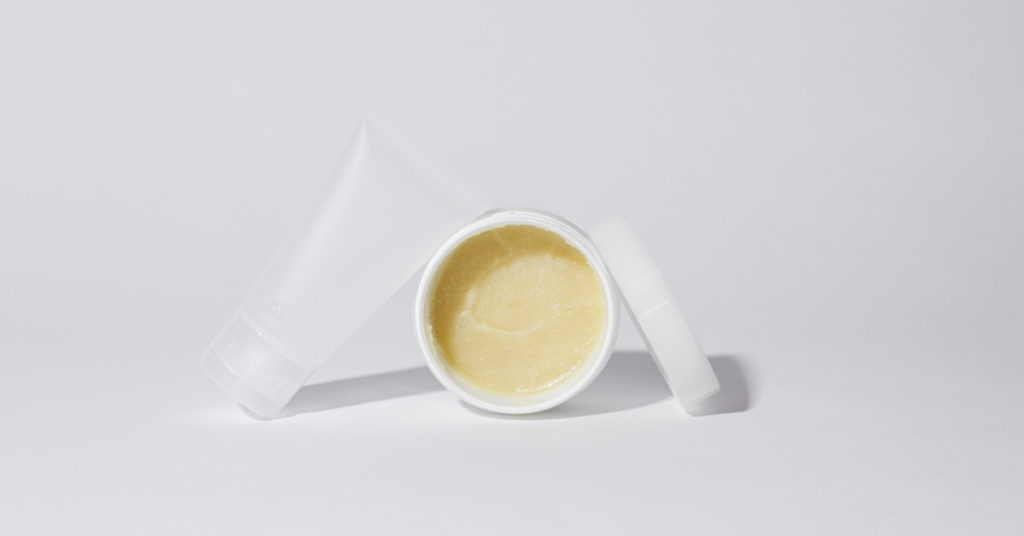
Ceramides help support the skin barrier. They are commonly included in creams formulated for dry or sensitive-feeling skin.
Ceramides are commonly used in products designed to support the skin barrier. Read our guide on Ceramide Face Moisturizer to learn more about its benefits, suitable skin types, and how to use it.
Glycerin
Glycerin is a humectant that helps attract water into the outer skin layers. It is widely used in moisturisers for different skin types.
Hyaluronic Acid
Hyaluronic acid helps retain water and can contribute to a hydrated feel. For very dry skin, it may work well as part of a moisturiser that also contains emollients or occlusive ingredients.
Petrolatum
Petrolatum helps reduce moisture loss by forming a protective layer. It can be useful for particularly dry areas, although some people may find its texture too heavy for daytime use.
Shea Butter
Shea butter is an emollient used in some richer creams. It can help soften dry skin, but individual preferences and tolerability vary.
Squalane
Squalane is an emollient that can help improve skin softness without necessarily feeling as heavy as some richer oils.
Tip: A moisturiser does not need to contain every ingredient listed above. A well-formulated product with a few suitable ingredients may be enough. The American Academy of Dermatology recommends choosing a suitable moisturizer for your skin type and considering ingredients such as ceramides when managing dry skin.
How to Choose the Right Moisturiser for Your Skin Type
Very dry skin often benefits from a richer cream rather than a lightweight gel alone. However, your personal comfort and skin sensitivity still matter.

For Very Dry Skin
Look for a cream or ointment containing ingredients that help reduce moisture loss, such as petrolatum, alongside humectants and emollients.
For Very Dry and Sensitive Skin
Choose a simple, fragrance-free formula. Fragrance can irritate some people, particularly when the skin barrier is already compromised.
For Dry Skin in Hot or Humid Weather
A rich cream may still be useful, but you might prefer a lighter cream that provides sufficient hydration without feeling uncomfortable.
For Mature Skin
Skin can become drier with age. A moisturiser containing ingredients such as glycerin and ceramides may help support hydration and barrier function.
For Acne-Prone Skin That Also Feels Dry
Consider a moisturiser labelled non-comedogenic. If you are using acne treatments that cause dryness, ask a dermatologist or pharmacist about choosing a suitable moisturiser.
How to Use a Face Moisturiser for Very Dry Skin
Using a face moisturiser for very dry skin correctly can help you get the most from your skincare routine.
Step 1: Cleanse Gently
Use a gentle cleanser that does not leave your skin feeling tight or stripped. Avoid very hot water and harsh scrubbing.
Step 2: Pat the Skin Dry
After cleansing, gently pat your face with a soft towel. Avoid rubbing the skin vigorously.
Step 3: Apply Moisturiser While Skin Is Slightly Damp
Apply your moisturiser while your skin is still slightly damp. This can help trap moisture and improve the comfort of your skin.
Step 4: Use Enough Product
Spread a suitable amount over the face and any dry areas. Follow the product’s instructions and avoid getting it into your eyes.
Step 5: Repeat as Needed
Many people with very dry skin benefit from moisturising in the morning and evening. You may also reapply when needed, following the product instructions.
Step 6: Use Sunscreen in the Morning
During the daytime, finish your skincare routine with a broad-spectrum sunscreen with SPF 30 or higher. Choose one that feels comfortable on your skin.
Morning and Night Routine for Very Dry Skin
A simple routine can be more useful than layering many products.
Morning Routine
- Gently cleanse or rinse your face as appropriate.
- Apply a suitable moisturiser.
- Apply broad-spectrum sunscreen with SPF 30 or higher.
Night Routine
- Remove sunscreen and impurities using a gentle cleanser.
- Apply your moisturiser to slightly damp skin.
- If particular areas remain very dry, consider a suitable richer product for those areas.
Avoid adding several new products at once, especially if your skin is sensitive.
Common Mistakes to Avoid
Using Harsh Cleansers
Strong cleansers can leave very dry skin feeling tighter and more uncomfortable. Choose a gentle product instead.
Taking Long, Hot Showers
Hot water can contribute to dryness. Use comfortable, lukewarm water and avoid prolonged washing.
Choosing Products With Too Much Fragrance
Fragrance can irritate some sensitive skin. A fragrance-free moisturiser may be a better starting point.
Applying Moisturiser Only When Skin Feels Dry
A consistent routine may help maintain hydration better than moisturising only when discomfort appears.
Expecting Immediate Results From Every Product
The feel of your skin may improve after application, but persistent dryness can take time to manage. If a product causes burning, rash, or worsening irritation, stop using it.
Honest Review: Face Moisturiser for Very Dry Skin
A good face moisturiser for very dry skin should focus on hydration, skin-barrier support, and comfort rather than exaggerated promises.

Rich creams may suit people who experience significant dryness, while lighter creams may be more comfortable in hot weather. Ingredients such as glycerin, ceramides, and petrolatum can be useful, but the complete formula matters.
Pros
- Helps improve skin hydration
- Can reduce the feeling of tightness
- Supports the skin barrier
- Helps soften rough skin
- Available in different textures for individual needs
Cons
- Rich creams may feel heavy for some users
- Some ingredients can irritate sensitive skin
- The most suitable formula varies between individuals
- Moisturisers do not cure every cause of persistent dryness
Cons
- Rich creams may feel heavy for some users
- Some ingredients can irritate sensitive skin
- The most suitable formula varies between individuals
- Moisturisers do not cure every cause of persistent dryness
Frequently Asked Questions
What is the best face moisturiser for very dry skin?
A rich cream containing ingredients such as glycerin, ceramides, or petrolatum may be a useful choice. The best option depends on your skin’s needs and how comfortably you tolerate the formula.
Is a cream better than a lotion for very dry skin?
Creams are often richer than lotions and may be more suitable for very dry skin. However, the actual ingredients and formulation matter more than the product name alone.
Should I use moisturiser every day for very dry skin?
Many people benefit from moisturising daily, often morning and evening. Follow the product instructions and adjust the routine to your skin’s response.
Can I use a face moisturiser if I have sensitive skin?
Yes, but consider a fragrance-free formula with a simple ingredient list. Introduce new products one at a time and stop using any product that causes irritation.
Can moisturiser cure very dry skin?
A moisturiser can help manage dryness and support the skin barrier, but it may not address an underlying condition. Persistent, painful, cracked, or inflamed skin should be evaluated by a healthcare professional.
Should I apply moisturiser before sunscreen?
Generally, apply moisturiser first and sunscreen afterward in your morning routine. Follow the instructions on your sunscreen product.
Final Thoughts
Choosing the right face moisturiser for very dry skin starts with understanding what your skin needs. Look for a suitable combination of hydrating, softening, and moisture-retaining ingredients, and choose a texture that feels comfortable.
A gentle cleanser, regular moisturising, and daily sunscreen can form the foundation of a simple skincare routine. Avoid harsh products and unnecessary layers, especially if your skin is sensitive.
If dryness continues despite regular moisturising, or if your skin becomes painful, cracked, or inflamed, seek professional advice to identify the cause.
About the Author
Richeyaa is the author of WeCareForYou, sharing practical and easy-to-understand hair-care, skincare, and wellness information. Her content focuses on simple routines, realistic expectations, and helpful everyday self-care guidance.