Amla and shikakai are two traditional Indian ingredients that have been used in hair-care routines for generations. They are commonly combined in powders, hair packs, cleansers, and other herbal hair-care preparations.
Amla, also known as Indian gooseberry, is valued for its naturally occurring vitamin C and antioxidant compounds. Shikakai is a traditional plant ingredient often used as a gentle herbal cleanser. When used together, amla shikakai can be a simple option for people who enjoy traditional, plant-based hair-care routines.
However, it is important to keep expectations realistic. Amla and shikakai can support a healthy-looking hair-care routine, but there is not enough strong human evidence to say that this combination can guarantee hair growth or permanently stop hair fall.
Table of Contents
What Is Amla Shikakai?
Amla shikakai usually refers to a combination of amla and shikakai used for traditional hair care.
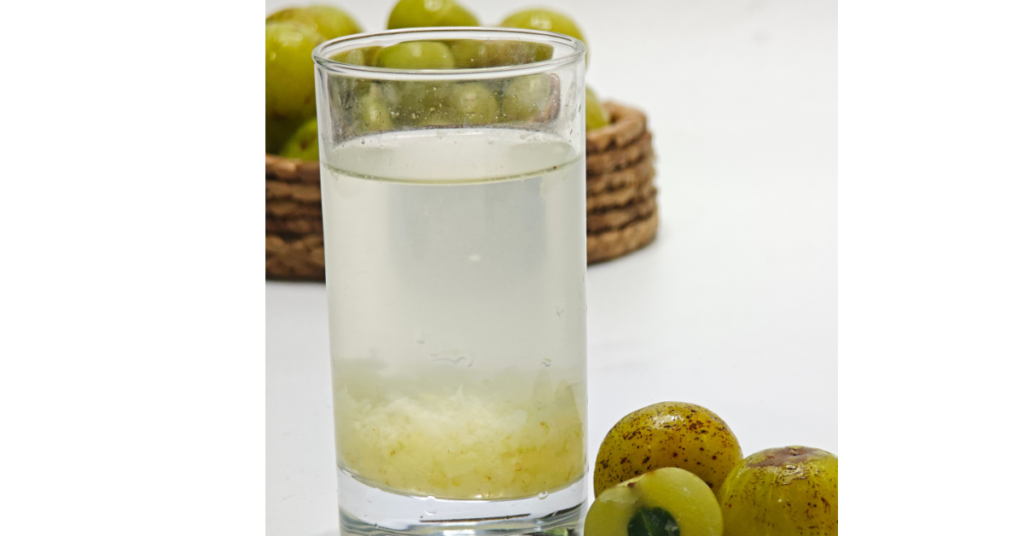
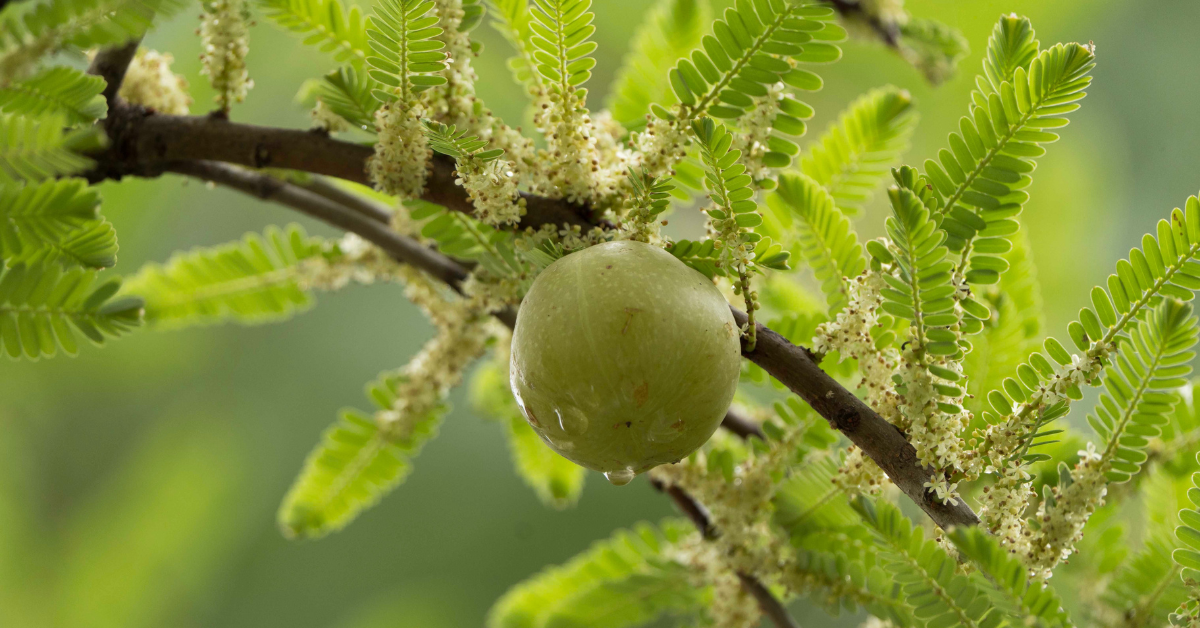
Amla comes from the fruit of Phyllanthus emblica, commonly known as Indian gooseberry. It contains vitamin C and various plant compounds with antioxidant properties. f you want to learn more about shikakai as a traditional cleansing ingredient, you can also read our guide on herbal ingredients, including its benefits, uses, and how to use it.
Shikakai comes from Acacia concinna, a traditional Indian plant that has long been used in hair cleansing. Its pods contain naturally occurring saponins, which are known for their cleansing properties.
The two ingredients are often combined because they serve different roles in a traditional hair-care routine. Amla is commonly included for its conditioning and antioxidant appeal, while shikakai is traditionally valued as a cleanser.
Amla Shikakai Benefits for Hair
1. Helps Cleanse the Hair
Shikakai is traditionally used as a natural hair cleanser. Its naturally occurring saponins can help remove excess oil, dirt, and buildup from the scalp and hair.
For people who prefer herbal alternatives to conventional cleansing products, shikakai can be an interesting ingredient to explore.
2. Supports a Healthy-Looking Scalp
Keeping the scalp clean is an important part of overall hair care. Shikakai’s cleansing properties may help maintain a fresh-feeling scalp when used appropriately.
Amla is also commonly included in traditional scalp-care preparations, making the combination useful as part of a simple herbal routine.
3. May Help Hair Feel Softer and More Manageable
Traditional amla-based hair preparations are often used to support smoother-looking and manageable hair.
When the hair is properly cleansed and conditioned, it may feel easier to comb and style. Individual results can vary depending on hair type, dryness, porosity, and the other ingredients used in the preparation.
4. Provides Antioxidant-Rich Plant Compounds
Amla is known for containing vitamin C and other antioxidant compounds.
Antioxidants help protect cells from oxidative stress. However, the presence of antioxidants in an ingredient does not automatically mean that applying it to the scalp will produce specific hair-growth results.
5. Fits Traditional Herbal Hair-Care Routines
One of the main reasons people continue to use amla and shikakai is their long history in traditional Indian hair care.
They can be incorporated into simple routines through powders, hair packs, cleansers, or commercially prepared products. For another traditional herbal ingredient used in Indian hair-care routines, explore our article on Tulsi Leaves Benefits for Hair and its simple uses.
6. Can Be Used as Part of a Simple Hair Routine
Amla shikakai does not need to be used every day. Depending on the formulation and your hair type, occasional use may be enough.
A simple routine can include cleansing, gentle handling, suitable conditioning, and protection from excessive heat and chemical processing.
Amla vs Shikakai: What Is the Difference?
Although both ingredients are traditionally used for hair care, they are not exactly the same.
| Ingredient | Traditional Hair-Care Role |
|---|---|
| Amla | Antioxidant-rich herbal ingredient and traditional hair-care preparation |
| Shikakai | Traditional herbal cleanser |
| Amla + Shikakai | Combination commonly used in herbal hair-care routines |
This combination can therefore be useful when someone wants both a traditional cleansing ingredient and an amla-based herbal component in one routine.
How to Use Amla Shikakai Powder
Amla shikakai powder can be used as a traditional hair cleanser or hair pack, depending on the product instructions.
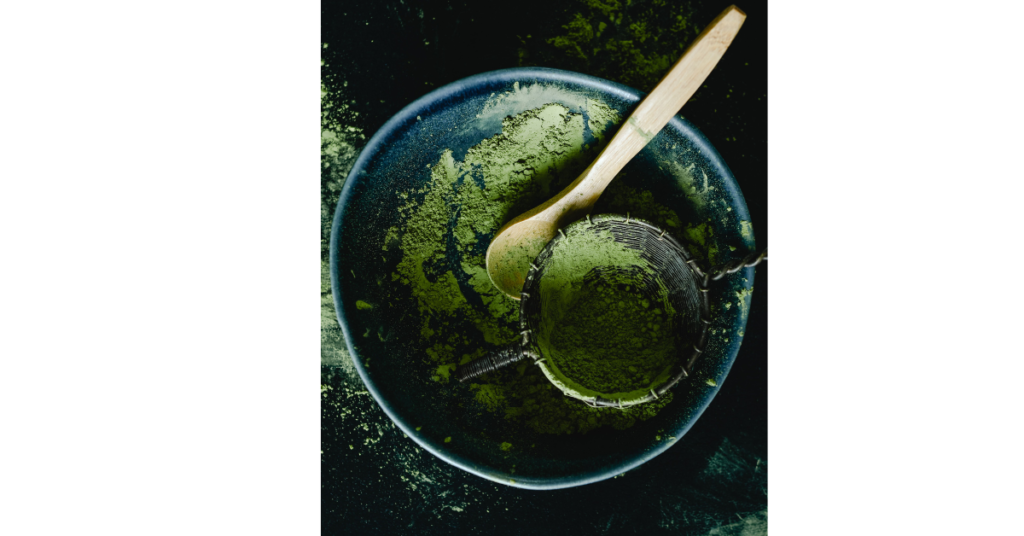
Simple Hair-Care Method
- Take an appropriate amount of amla shikakai powder.
- Add enough water to create a smooth paste.
- Allow the mixture to sit briefly if the product instructions recommend it.
- Apply gently to the scalp and hair.
- Avoid vigorous rubbing or scratching.
- Rinse thoroughly with comfortable-temperature water.
- Use a suitable conditioner if your hair feels dry afterward.
Always follow the instructions provided with a commercially prepared product because formulations can differ.
How Often Can You Use Amla Shikakai?
There is no single frequency that works for everyone.
People with oily scalps may prefer occasional cleansing, while those with dry, curly, or chemically treated hair may need to use cleansing powders less frequently.
If your hair becomes unusually dry, rough, tangled, or irritated after use, reduce the frequency or discontinue the product.
Amla shikakai should complement your routine rather than making your hair-care routine unnecessarily complicated.
Amla Shikakai Hair Pack
Some people use amla and shikakai as part of a traditional hair pack.
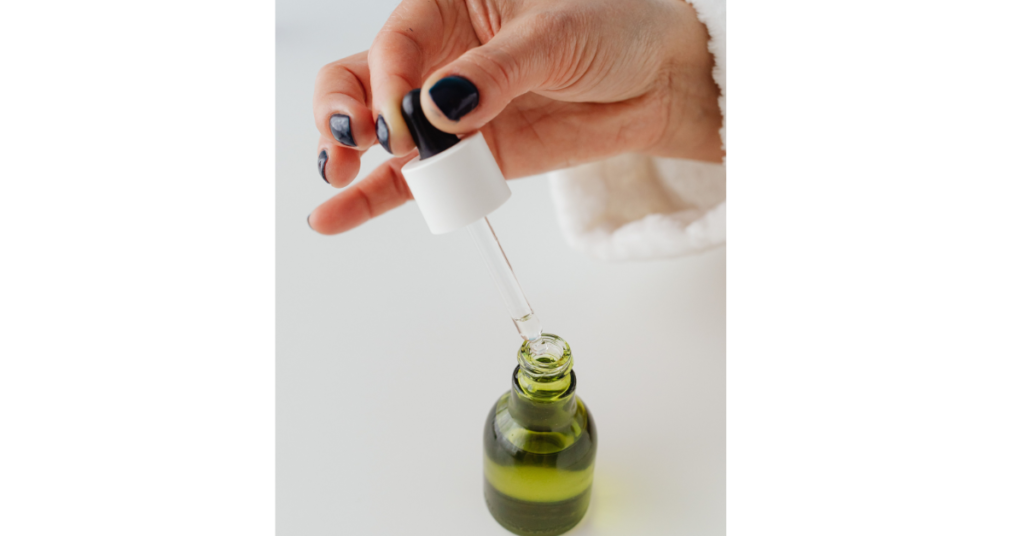
A simple preparation can involve mixing the powder with water to form a smooth paste and applying it to the scalp and hair for a short period before rinsing.
If you have a dry scalp or dry hair, avoid assuming that a stronger or longer application will provide better results. Herbal powders can still be drying or irritating for some people.
Can Amla Shikakai Stop Hair Fall?
This is one of the most common questions about this combination.
The honest answer is there is not enough strong evidence to claim that amla shikakai can stop hair fall or treat hair loss.
Hair shedding can have many causes, including genetics, hormonal changes, nutritional deficiencies, stress, illness, medications, scalp conditions, and certain medical problems.
Amla and shikakai can be included in a healthy hair-care routine, but persistent, sudden, or significant hair loss should not be managed only with herbal ingredients. Speaking with a dermatologist can help identify the underlying cause.
Can Amla Shikakai Make Hair Grow Faster?
There is no reliable evidence that using an amla shikakai mixture will make hair grow faster.
Healthy hair growth depends on factors such as genetics, age, hormones, nutrition, and overall health. Hair-care products can help maintain the condition and appearance of the hair, but they cannot override these biological factors.
This is why it is better to think of amla shikakai as a traditional hair-care option rather than a guaranteed hair-growth treatment.
Amla Shikakai for Different Hair Types
Dry Hair
Use the combination carefully because cleansing powders may make already-dry hair feel rough. Conditioning afterward may help improve manageability.
Oily Hair
The cleansing properties of shikakai may make the combination more appealing for people who experience excess oil.
Curly Hair
Curly hair can be more sensitive to dryness. Use a gentle approach and consider how your hair responds after cleansing.
Chemically Treated Hair
If your hair is coloured, straightened, or chemically treated, test the product carefully and follow the manufacturer’s instructions. Along with choosing suitable hair-care ingredients, following gentle hair-care practices can help maintain healthier-looking hair; the American Academy of Dermatology also recommends being gentle with your hair and choosing products according to your hair type.
Precautions Before Using Amla Shikakai
Natural ingredients can still cause irritation or sensitivity.
Before using a new amla shikakai preparation:
- Check the ingredient list.
- Perform a small patch test if appropriate.
- Avoid contact with the eyes.
- Do not apply to damaged or irritated skin.
- Stop using it if you experience significant itching, burning, redness, or discomfort.
- Avoid vigorous scalp scratching while applying or rinsing.
- Follow the instructions of commercially prepared products.
If you have an ongoing scalp condition, getting professional advice is better than repeatedly trying different home remedies.
Common Mistakes to Avoid
Using Too Much Powder
More product does not necessarily mean better results. Excessive use can make the hair difficult to rinse and may contribute to dryness.
Leaving It on for Too Long
Longer application is not automatically more effective. Follow the recommended instructions.
Rubbing the Scalp Harshly
The scalp should be handled gently. Scrubbing aggressively can cause unnecessary irritation.
Expecting Hair-Growth Results
Amla shikakai should not be treated as a guaranteed solution for hair loss or hair growth.
Ignoring Hair Type
A routine that works for oily hair may not work equally well for dry or curly hair. Adjust your approach based on how your hair responds.
Honest Review of Amla Shikakai
Amla shikakai is an appealing option for people who enjoy traditional herbal hair care. The biggest advantage is that two well-known traditional ingredients can be combined into one simple routine.
Shikakai is particularly interesting because of its traditional cleansing role, while amla adds an antioxidant-rich herbal ingredient to the preparation.
However, the combination is not a miracle treatment. It should not be promoted as a guaranteed hair-growth or hair-fall solution.
Pros
- Traditional herbal hair-care option
- Shikakai provides cleansing properties
- Amla contains antioxidant compounds
- Can be incorporated into a simple routine
- Available in different formulations
Cons
- May feel drying for some hair types
- Results can vary between individuals
- Powder can be messy to prepare and rinse
- Not a proven treatment for hair loss
- Some people may experience scalp irritation
Frequently Asked Questions
Is amla shikakai good for hair?
Amla shikakai can be a useful traditional hair-care option, particularly for cleansing and maintaining manageable-looking hair. Individual results depend on hair type and the formulation used.
Can amla shikakai reduce dandruff?
It should not be considered a proven dandruff treatment. Persistent dandruff may require a properly formulated anti-dandruff product or professional advice.
Can I use amla shikakai every day?
Daily use is not necessary for most people. The appropriate frequency depends on your hair type and how your scalp and hair respond.
Does amla shikakai prevent hair loss?
There is not enough evidence to say that it prevents or treats hair loss. Hair loss has many possible causes and may require professional evaluation.
Final Thoughts
Amla shikakai is a traditional-inspired combination that can fit well into a simple herbal hair-care routine. Shikakai is traditionally valued for cleansing, while amla provides vitamin C and other plant compounds with antioxidant properties.
The key is to use the combination realistically. It may help support clean, manageable-looking hair, but it should not be considered a guaranteed treatment for hair growth, hair fall, or scalp conditions.
Choose a formulation that suits your hair type, use it gently, and pay attention to how your scalp and hair respond. Consistent, gentle hair care is more important than relying on any single ingredient.
About the Author
Richeyaa is the author of WeCareForYou, sharing practical and easy-to-understand hair-care and wellness information. Her content focuses on traditional ingredients, simple routines, honest guidance, and realistic expectations without unnecessary promises.